Sttellar Dawang Editorial Team
Posted on 2026-03-23


Posted on 2026-03-23
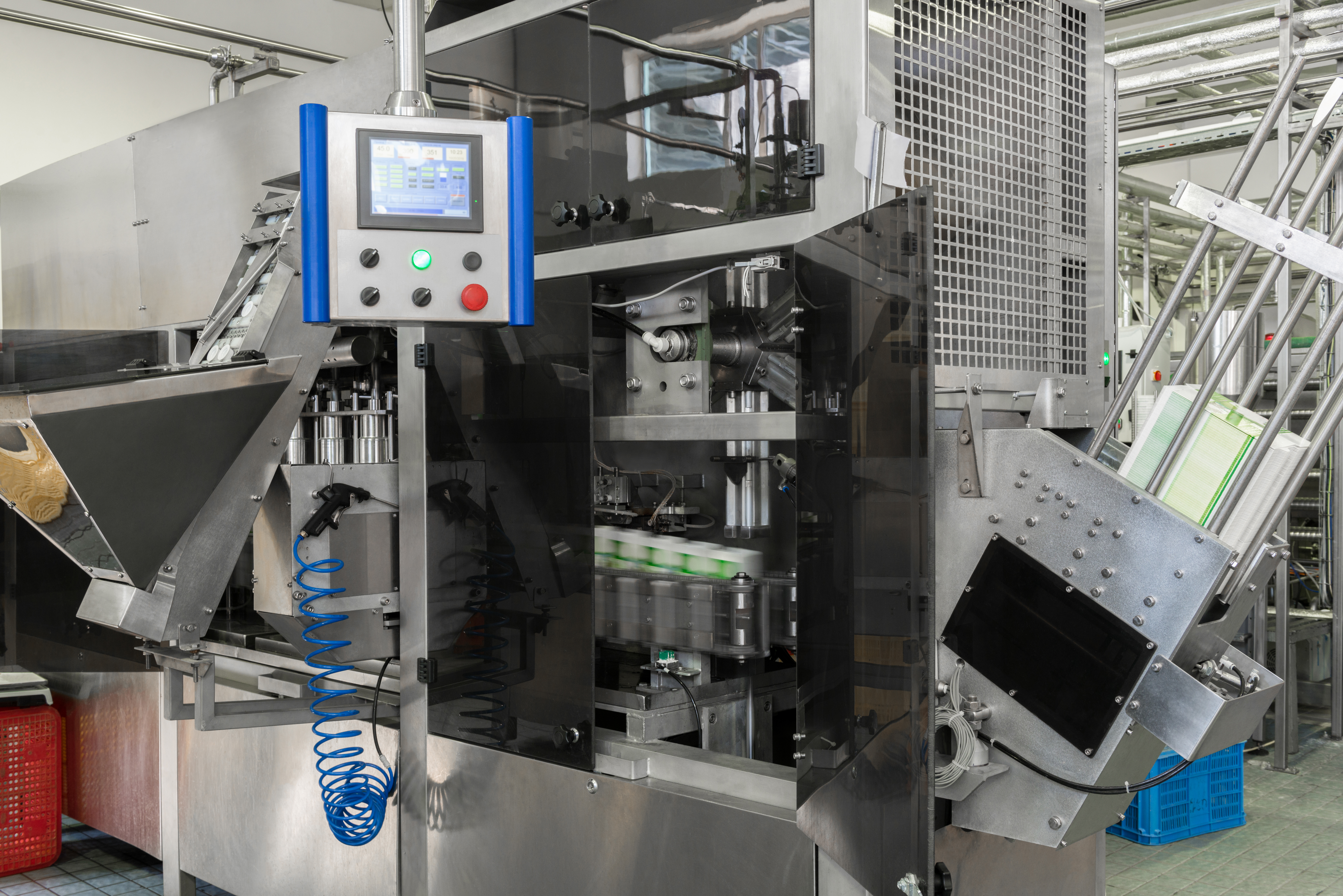
Vertical Injection Moulding Machines occupy a unique and indispensable niche in the electrical and wire processing manufacturing landscape. Unlike horizontal machines, their vertical clamping and injection axis makes them ideally suited for insert moulding and overmoulding applications — where a pre-positioned metal or wire component is encapsulated in plastic within the mould. Sttellar Dawang's vertical injection systems are engineered for precision, reliability, and versatility in electrical component manufacturing.
The defining characteristic of a Vertical Injection Moulding Machine is its vertically oriented clamping unit, where the mould opens and closes on a vertical axis. This configuration allows gravity to hold inserts (metal terminals, wire leads, connectors) in place within the mould cavity before plastic injection — eliminating the risk of insert displacement that is common in horizontal machines. The result is precise, consistent encapsulation without the need for complex insert retention tooling.
Vertical Injection Moulding Machines offer several technical advantages for electrical component production. The vertical parting line allows easier removal of complex moulded parts with undercuts. Rotary table configurations enable continuous production cycles — while one half of the mould is being filled, the other is being unloaded and reloaded with inserts. This dramatically increases machine utilisation and output.
Sttellar Dawang manufactures a range of Vertical Injection Moulding Machines from 15-ton to 200-ton clamping force, with rotary table, shuttle table, and fixed table configurations. Our machines feature precision injection control, servo-hydraulic drive systems for energy efficiency, and comprehensive safety guarding systems. We provide full support for mould development, process optimisation, and operator training.
Vertical Injection Moulding Machines from Sttellar Dawang are the preferred solution for electrical component manufacturers who demand precision, flexibility, and high productivity in insert moulding and overmoulding applications. Contact our technical team to discuss your specific production requirements.
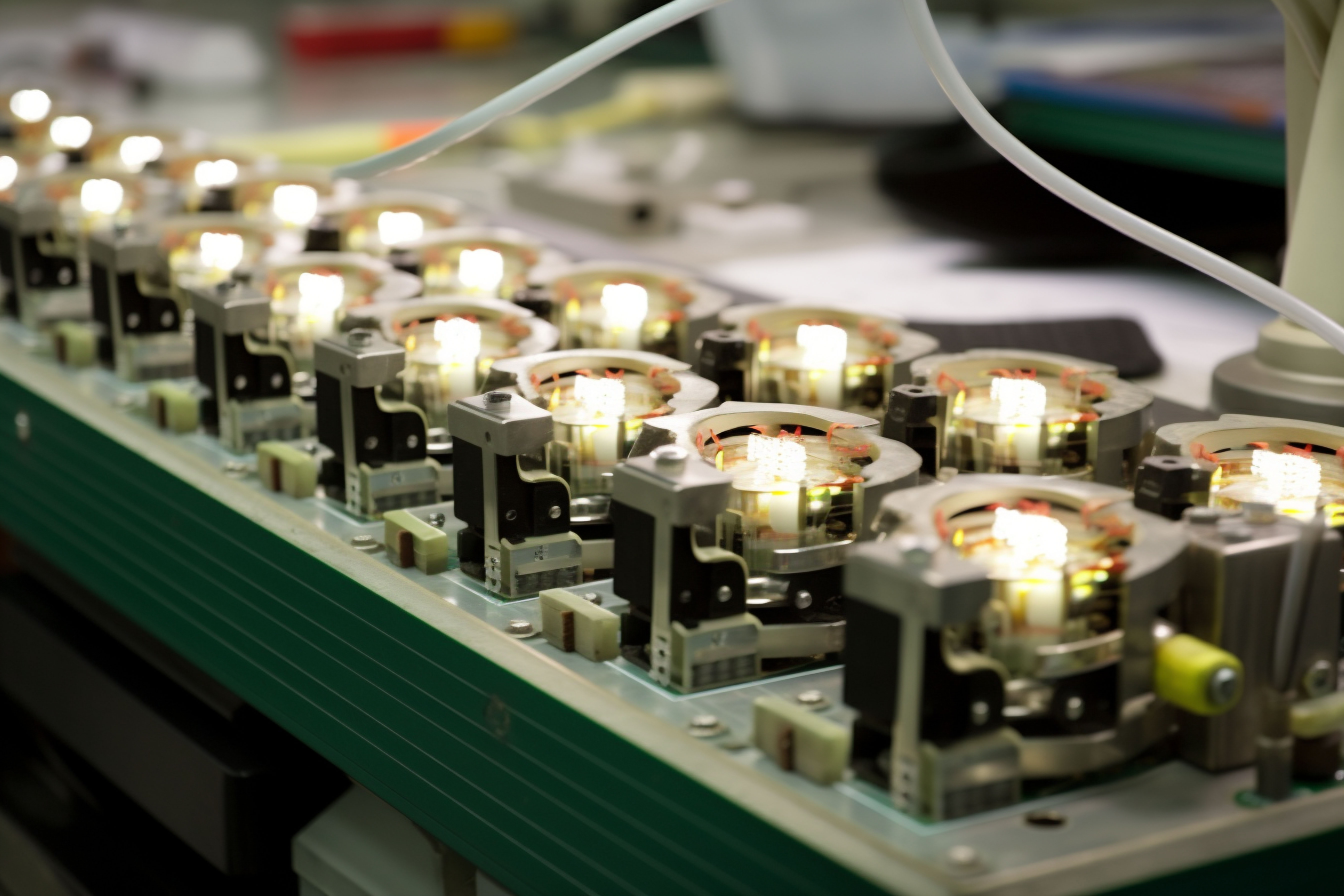
Behind every precisely moulded electrical connector, plug housing, or terminal block lies a precision-engineered plastic injection mould. The quality, dimensional accuracy, and durability of plastic i...
Read More
Wire harness assembly is a highly sequential process — each stage building on the accuracy of the previous one. Among the most critical operations is the insertion of crimped wire terminals into plast...
Read More
A wiring harness is only as reliable as its most problematic connection. In automotive, aerospace, industrial, and consumer electronics applications, a single open circuit, short circuit, or incorrect...
Read MoreSign up today Writing copy is time-consuming and difficult. Headlime's artificial intelligence can take your thoughts.