Sttellar Dawang Editorial Team
Posted on 2026-03-23


Posted on 2026-03-23
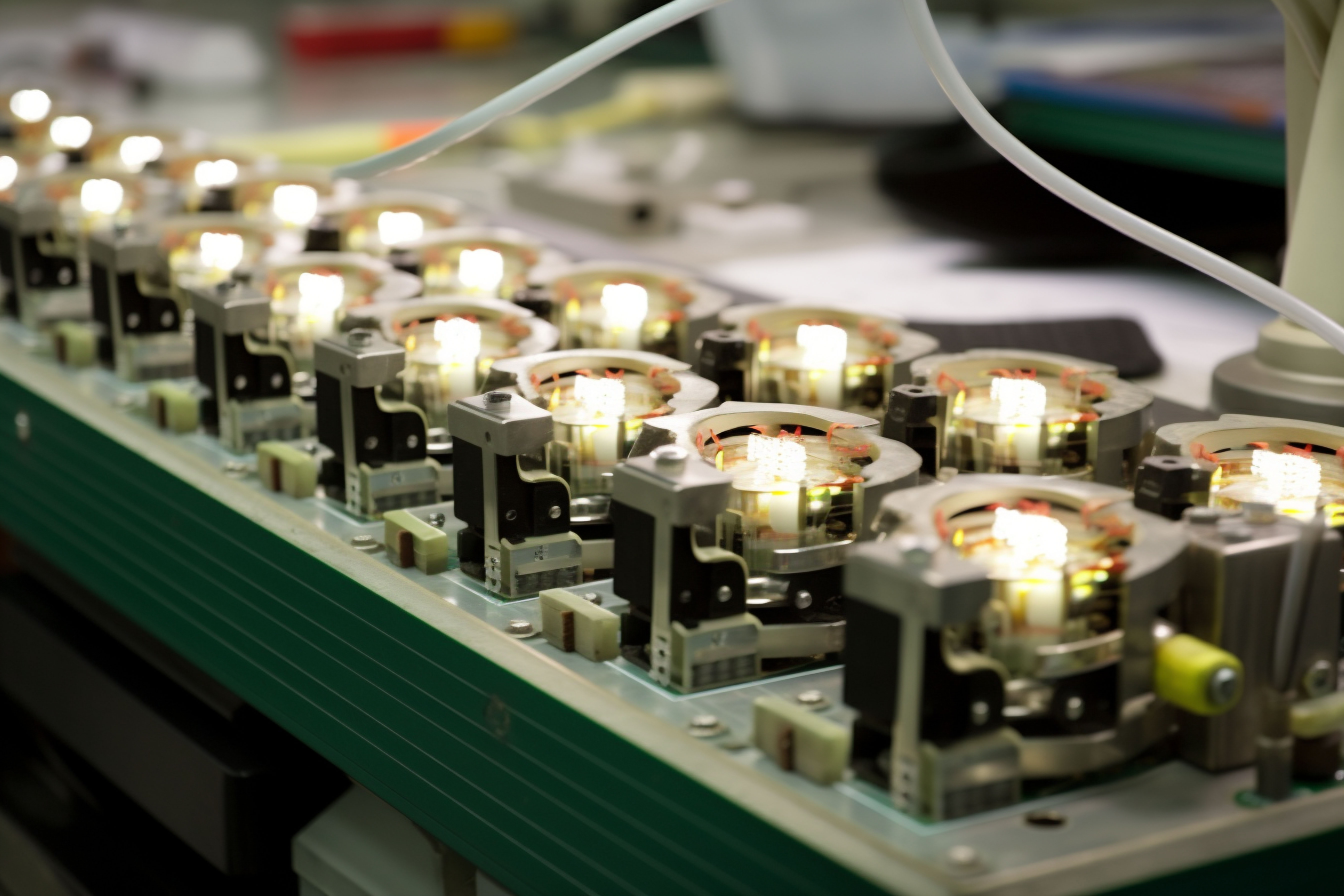
Behind every precisely moulded electrical connector, plug housing, or terminal block lies a precision-engineered plastic injection mould. The quality, dimensional accuracy, and durability of plastic injection moulds for electrical components directly determine the safety, reliability, and performance of the electrical products they produce. Sttellar Dawang's mould engineering team designs and manufactures high-precision moulds optimised for the demanding requirements of the electrical manufacturing industry.
Electrical components must meet stringent dimensional tolerances to ensure proper mating, reliable electrical contact, and adequate insulation clearances. A poorly designed or worn mould produces components with flash, sink marks, warpage, or dimensional deviations that lead to assembly failures, electrical shorts, or product safety issues. For safety-critical applications — automotive wiring, industrial control equipment, medical device wiring — mould quality is not negotiable.
The choice of mould steel significantly impacts performance and service life. P20 pre-hardened steel is commonly used for general-purpose electrical component moulds. H13 hot work tool steel offers superior thermal fatigue resistance for high-cycle moulds. S136 stainless steel is preferred for moulds processing abrasive or corrosive materials such as glass-filled nylons and flame-retardant compounds. Sttellar Dawang's mould engineers specify the optimal steel grade for each application based on production volume, material type, and dimensional requirements.
Sttellar Dawang's tool room is equipped with CNC machining centres, EDM (Electrical Discharge Machining) equipment, high-speed milling machines, and CMM (Coordinate Measuring Machine) inspection systems. Our mould engineers work in close collaboration with product designers to optimise component geometry for mouldability, reducing costs and improving quality from the outset.
High-quality Plastic Injection Moulds for Electrical Components are the foundation of reliable, safe electrical product manufacturing. Sttellar Dawang's precision mould engineering capabilities ensure that your electrical components are produced to specification, consistently and efficiently, throughout the entire production life of the mould.
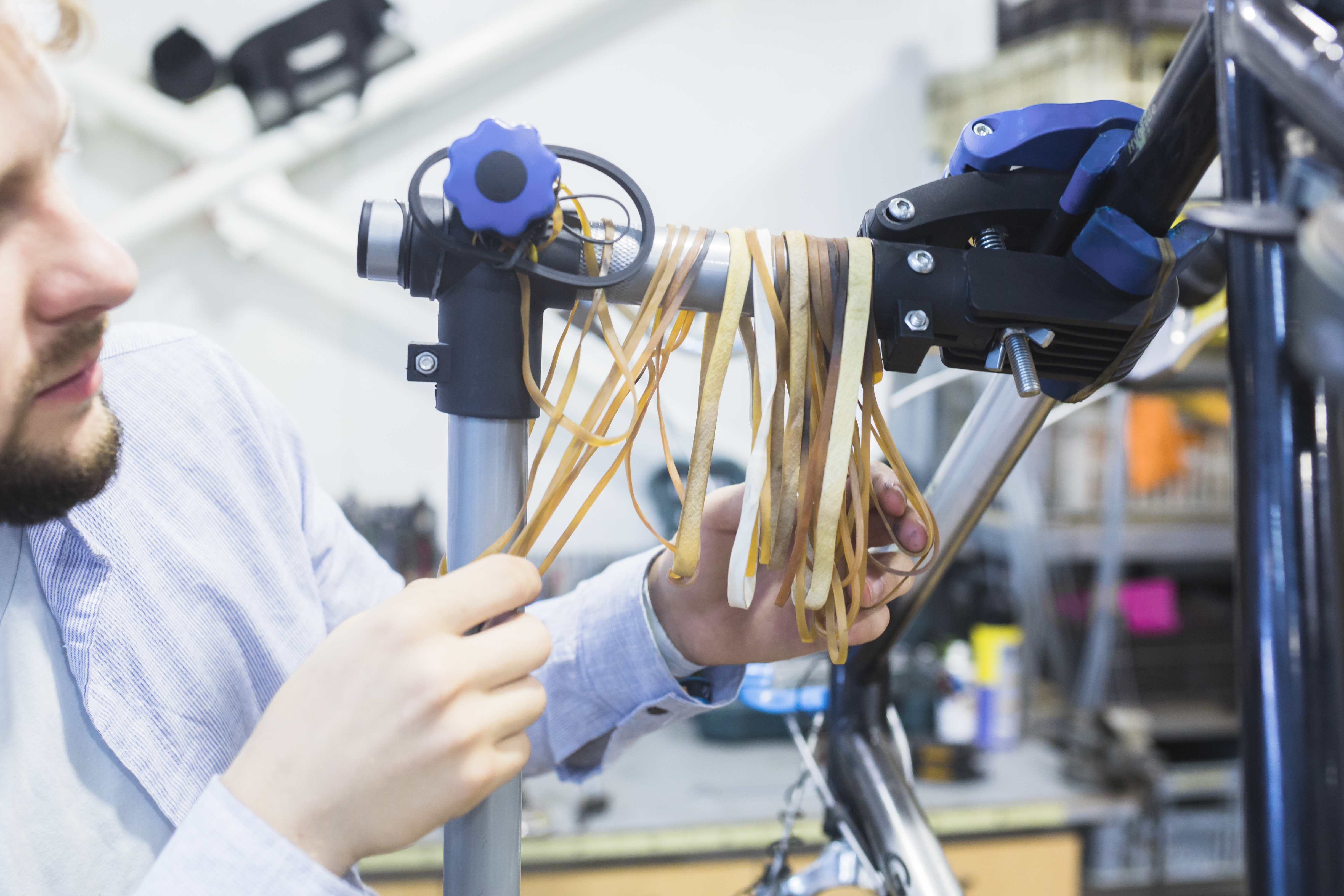
Wire harness assembly is a highly sequential process — each stage building on the accuracy of the previous one. Among the most critical operations is the insertion of crimped wire terminals into plast...
Read More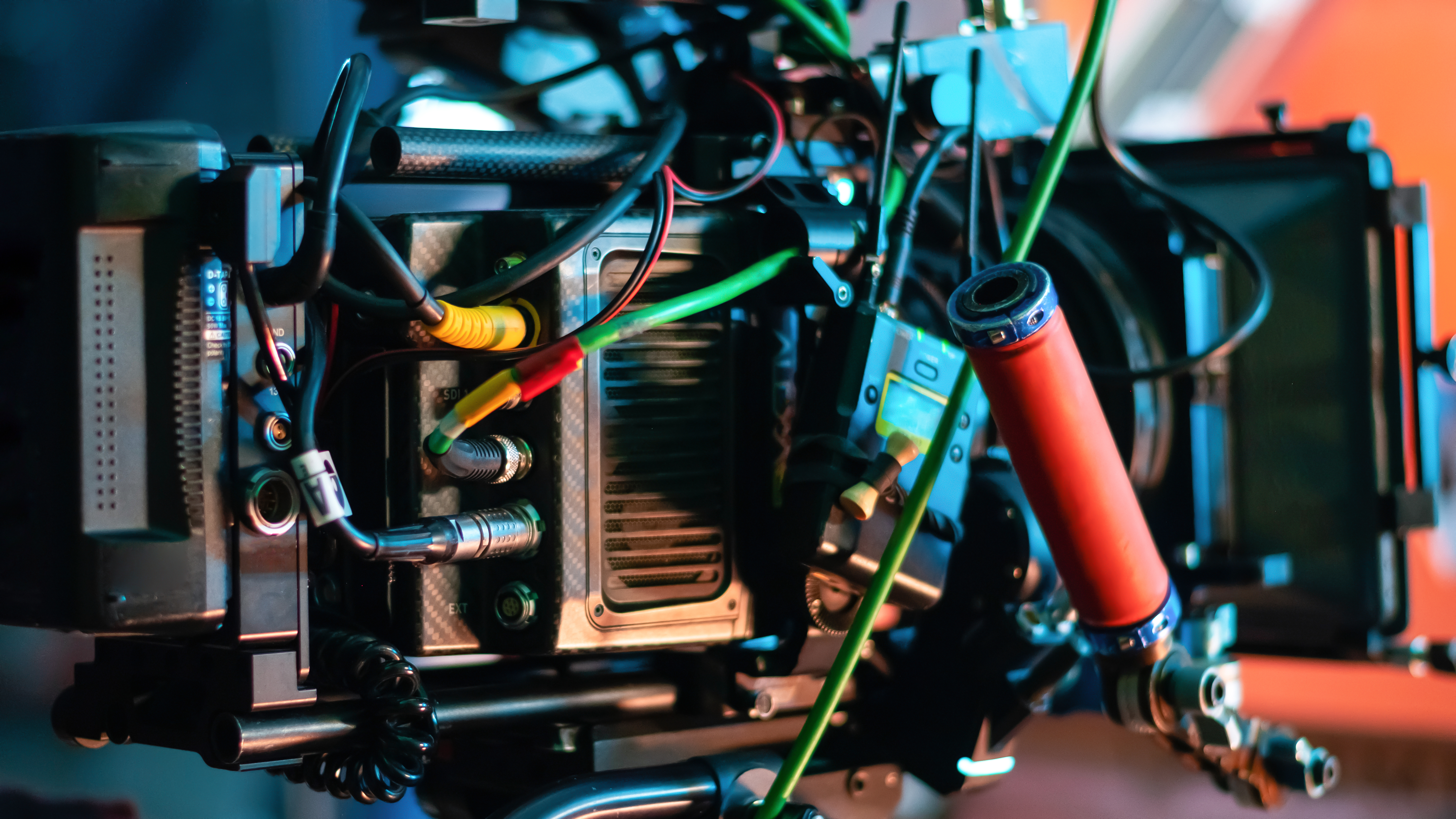
A wiring harness is only as reliable as its most problematic connection. In automotive, aerospace, industrial, and consumer electronics applications, a single open circuit, short circuit, or incorrect...
Read More
In wire and cable assembly manufacturing, the quality of solder connections directly determines the electrical reliability and mechanical strength of the finished product. Manual soldering is inconsis...
Read MoreSign up today Writing copy is time-consuming and difficult. Headlime's artificial intelligence can take your thoughts.