Sttellar Dawang Editorial Team
Posted on 2026-03-23

Posted on 2026-03-23
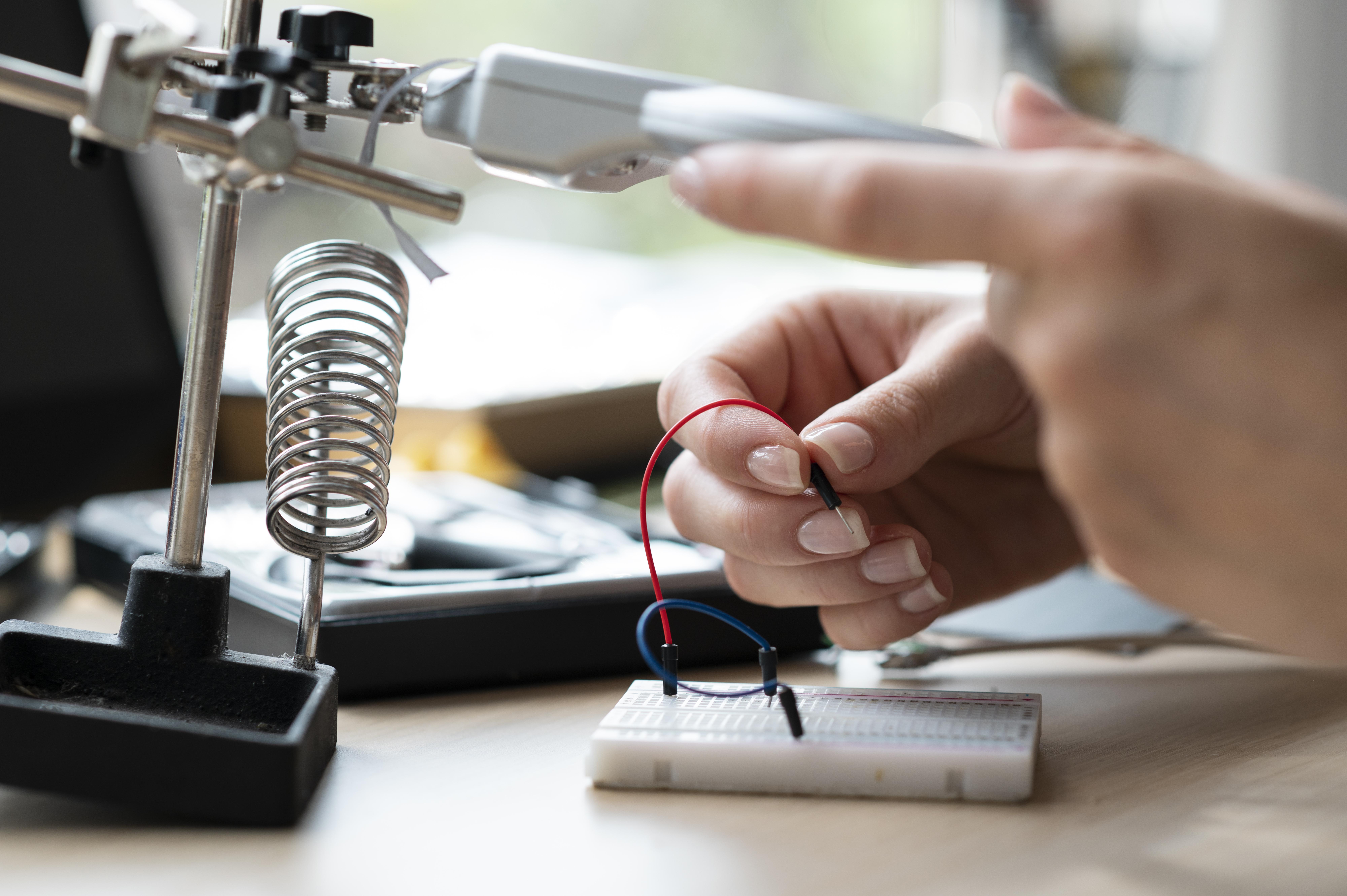
In wire and cable assembly manufacturing, the quality of solder connections directly determines the electrical reliability and mechanical strength of the finished product. Manual soldering is inconsistent, operator-dependent, and increasingly inadequate for the volume and repeatability demands of modern production. An Automatic Wire Soldering Machine brings the precision of machine control to this critical process — delivering consistent solder joint quality, temperature control, and production speed that manual operations simply cannot match.
Manual soldering quality varies with operator skill, fatigue, solder iron tip condition, and ambient conditions. Cold joints, excess solder, solder bridges, and thermally damaged insulation are all common manual soldering defects that compromise electrical performance and reliability. An Automatic Wire Soldering Machine eliminates operator variability by applying precisely controlled heat, dwell time, and solder volume to every joint — producing consistent, specification-compliant solder connections at production-line speeds.
Tinning machines dip stripped wire ends into a solder bath to pre-tin conductors before termination — improving subsequent crimp or solder joint quality. Selective soldering machines apply a programmable solder fountain to specific joint locations on a PCB or terminal block with pre-assembled wires. Drag soldering systems are used for through-hole component and wire lead soldering in a continuous process. Hot bar soldering machines apply heated bars to flat flex cable and ribbon cable solder connections.
Automatic Wire Soldering Machines from Sttellar Dawang are designed to integrate seamlessly with upstream wire cutting, stripping, and crimping equipment. Wire ends processed upstream can be fed automatically to the soldering station, tinned, and transferred to downstream assembly stages without manual handling. This integration minimises work-in-progress inventory and reduces the risk of quality defects from wire handling between operations.
An Automatic Wire Soldering Machine from Sttellar Dawang is the key to achieving the solder joint quality, consistency, and throughput that modern wire and cable assembly manufacturing demands. Partner with Sttellar Dawang to bring automation and precision to your soldering operations — and deliver the reliable, high-quality connections your customers depend on.
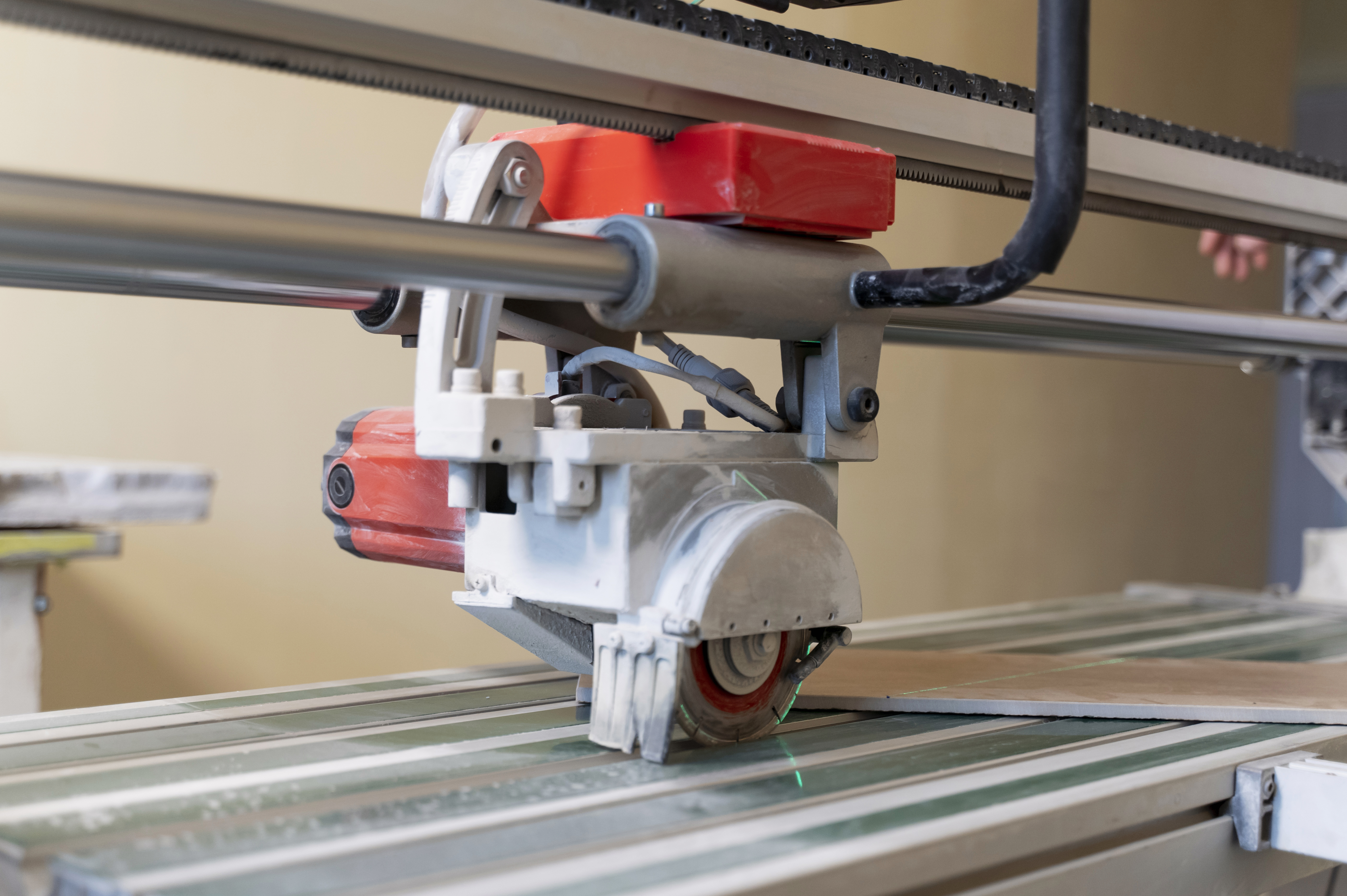
In modern manufacturing, precision is not optional — it is a fundamental requirement. Hot Knife Cutting Machines have emerged as an indispensable tool across wire, cable, textile, and plastics industr...
Read More
wire-stripping-machinesEfficient wire processing begins with precise insulation removal. Wire stripping machines are a cornerstone of cable assembly operations, enabling manufacturers to strip insulat...
Read More
The transition from manual to automatic wire stripping is one of the most impactful upgrades a wire processing facility can make. Automatic wire stripping machines eliminate operator dependency, drama...
Read MoreSign up today Writing copy is time-consuming and difficult. Headlime's artificial intelligence can take your thoughts.