Sttellar Dawang Editorial Team
Posted on 2026-03-23

Posted on 2026-03-23
Wire harness assembly is a highly sequential process — each stage building on the accuracy of the previous one. Among the most critical operations is the insertion of crimped wire terminals into plastic connector housings. A Wire Housing Insertion Machine automates this process, ensuring that each terminal is inserted to the correct depth, in the correct cavity, with the locking tang properly engaged. Sttellar Dawang's wire housing insertion machines are engineered to bring precision, speed, and quality assurance to this demanding assembly operation.
After wires have been cut to length, stripped, and crimped with terminals, they must be assembled into their respective connector housings. This involves guiding each terminal into the correct cavity of a multi-cavity housing and pushing it to the precise depth where the terminal's locking tang clicks into the housing retention feature. Incorrect insertion depth, wrong cavity placement, or failure to engage the locking tang are among the most common and costly quality defects in wire harness production.
Manual-assist insertion tools improve operator ergonomics and consistency but still require operator judgement. Semi-automatic wire housing insertion machines hold the housing in a fixture and provide insertion force assistance, with the operator guiding the wire. Fully automatic insertion machines index the housing through multiple cavities automatically, inserting pre-sequenced wires in a programmed order — ideal for high-volume, complex harness production.
Sttellar Dawang's range of Wire Housing Insertion Machines covers semi-automatic to fully automatic configurations, with support for a wide range of connector housing types from leading connector manufacturers. Our machines feature precision insertion heads, programmable force profiles, and integration capability with harness assembly management systems.
A Wire Housing Insertion Machine from Sttellar Dawang is a critical quality and productivity tool for any serious wire harness manufacturer. By automating and verifying every terminal insertion, our machines help you achieve the zero-defect assembly quality demanded by automotive, industrial, and consumer electronics customers.
A wiring harness is only as reliable as its most problematic connection. In automotive, aerospace, industrial, and consumer electronics applications, a single open circuit, short circuit, or incorrect...
Read More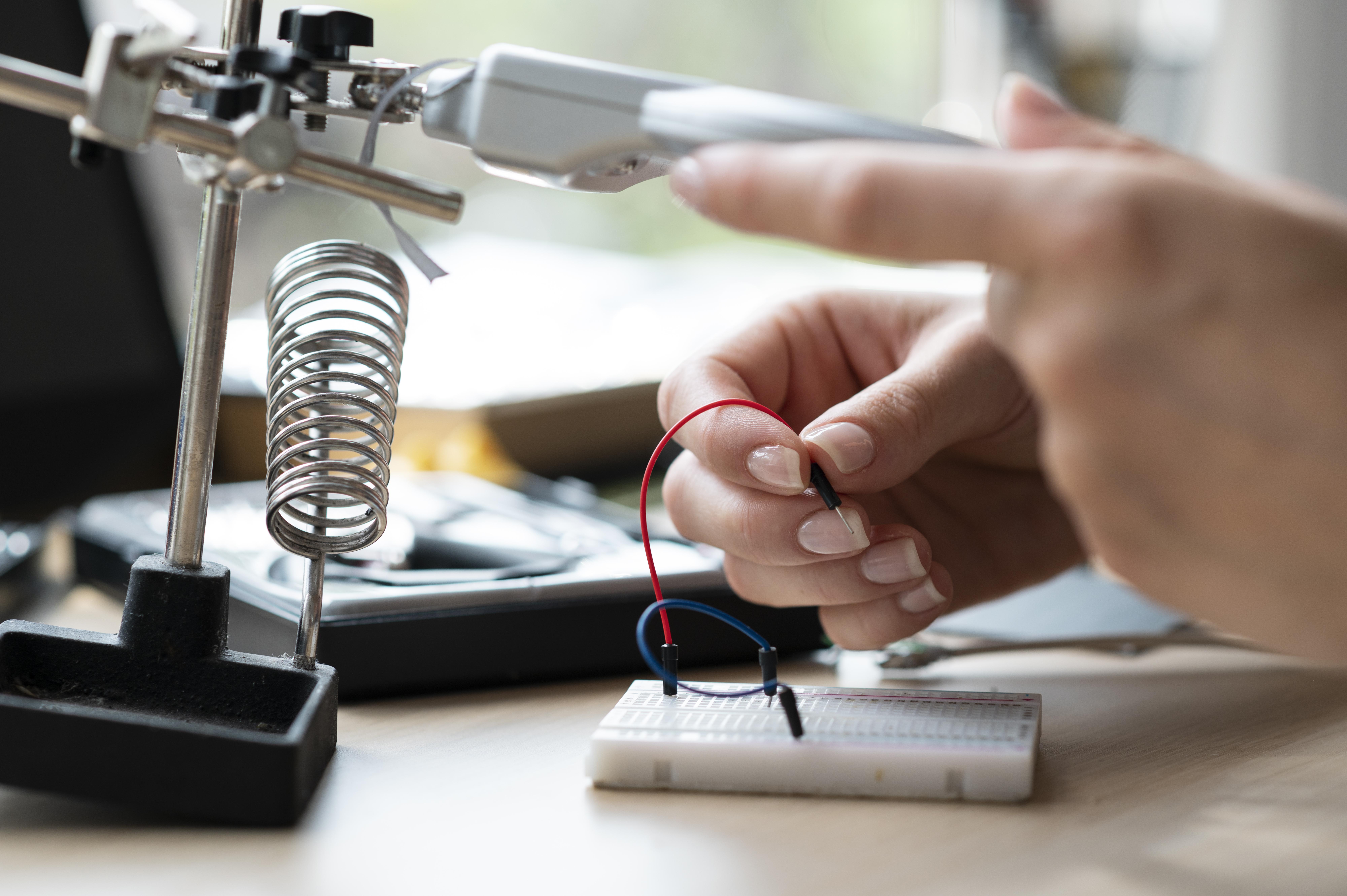
In wire and cable assembly manufacturing, the quality of solder connections directly determines the electrical reliability and mechanical strength of the finished product. Manual soldering is inconsis...
Read More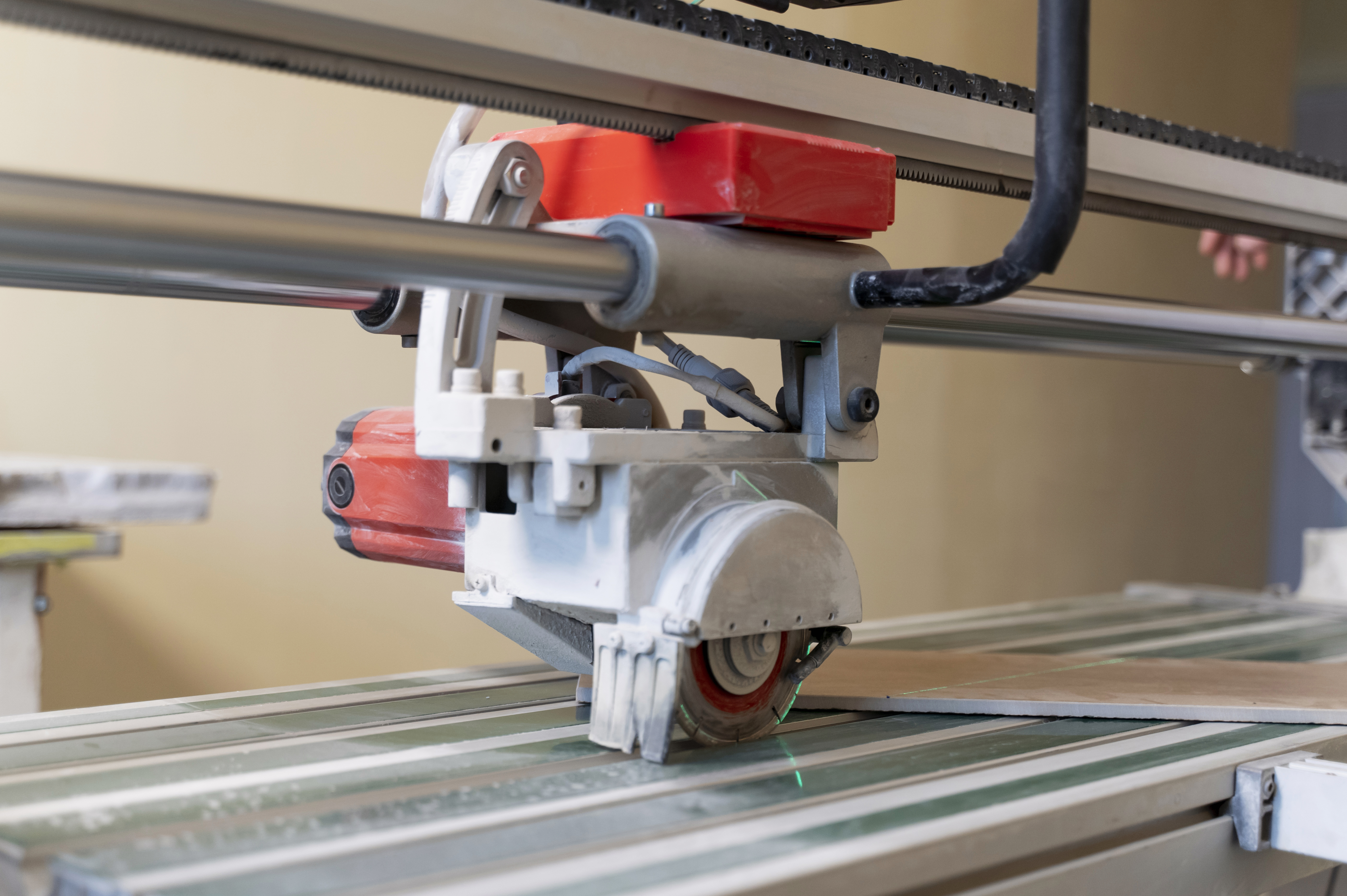
In modern manufacturing, precision is not optional — it is a fundamental requirement. Hot Knife Cutting Machines have emerged as an indispensable tool across wire, cable, textile, and plastics industr...
Read MoreSign up today Writing copy is time-consuming and difficult. Headlime's artificial intelligence can take your thoughts.