Sttellar Dawang Editorial Team
Posted on 2026-03-23


Posted on 2026-03-23
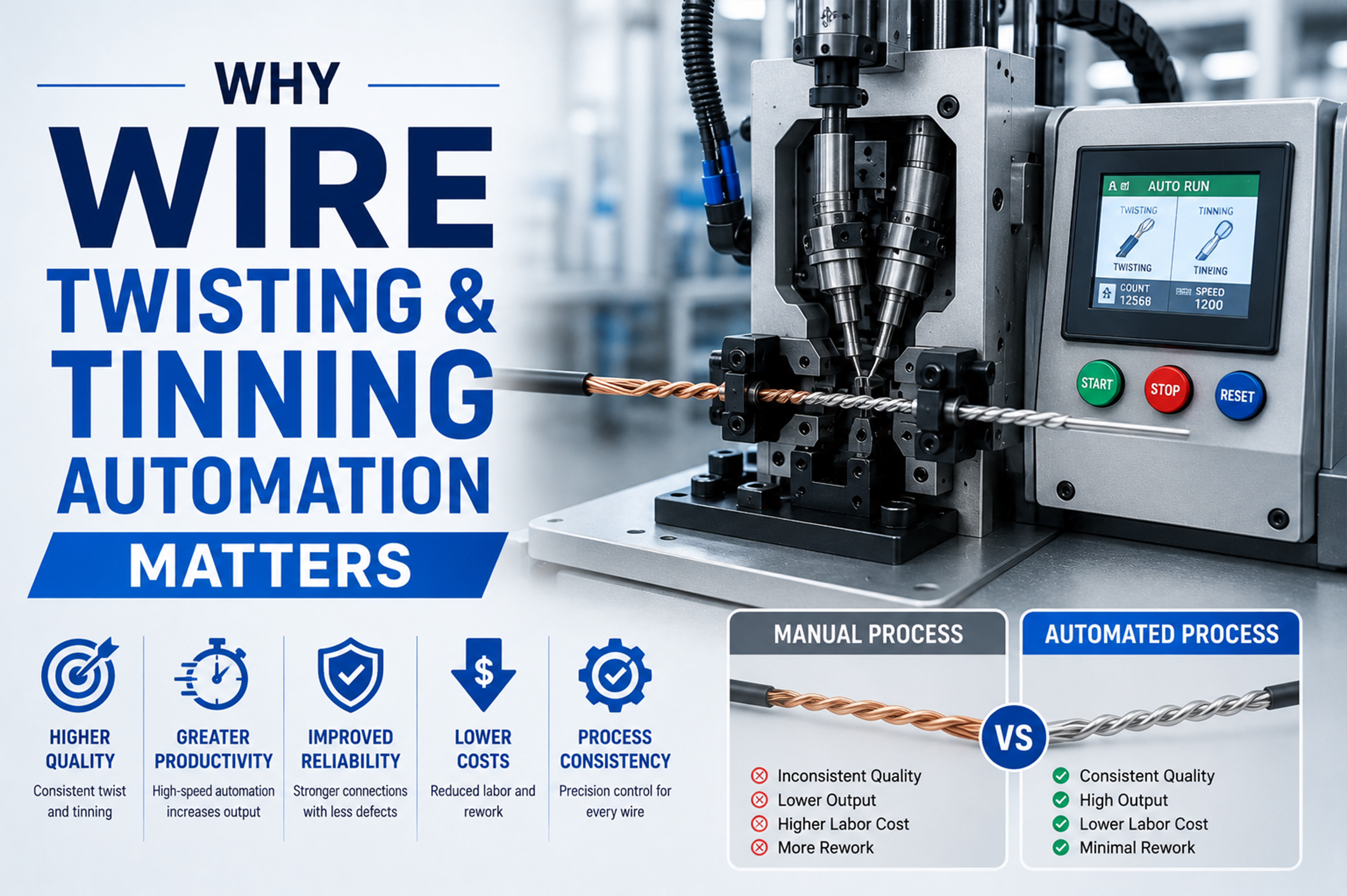
Twisted and tinned wire pairs play an important role in signal integrity, electromagnetic noise reduction, and reliable solder connections — but achieving consistent twist pitch and tin coverage manually, at volume, is extremely difficult. Automating wire twisting and tinning brings the precision and repeatability that these often-overlooked but performance-critical processes require.
Sttellar Dawang Automation designs automatic wire twisting and tinning machines that bring this consistency to precision wire processing operations.
Wire twisting and tinning are essential processes that improve both the electrical and mechanical performance of wire assemblies. Controlled twisting enhances signal integrity, while tinning protects conductors from oxidation and prepares them for reliable soldering.
Manual twisting and tinning can introduce inconsistencies that affect product quality, production speed, and long-term connection reliability, particularly in high-volume manufacturing environments.
Automatic wire twisting and tinning machines provide precise, repeatable process control, ensuring consistent wire preparation while improving manufacturing efficiency.
Automatic twisting and tinning machines are widely used in industries requiring high-quality signal transmission, reliable solderability, and consistent wire preparation.
Sttellar Dawang Automation's automatic twisting and tinning machines combine advanced automation, precision engineering, and reliable performance to support high-volume wire processing with exceptional consistency.
Whether manufacturing signal cables, industrial automation wiring, electronic assemblies, or appliance wiring, Sttellar Dawang Automation's automatic twisting and tinning machines provide the precision, repeatability, and productivity required for modern wire processing.
Contact Sttellar Dawang Automation today to discuss your wire twisting and tinning requirements and discover the ideal automated solution for your wire processing production line.
Twisting and tinning may be small steps in the broader wire processing sequence, but their impact on cable performance and downstream manufacturability is significant. Automating these processes is a practical way to lock in the consistency that quality-conscious manufacturing demands. Contact Sttellar Dawang Automation today to discuss your wire twisting and tinning automation requirements and explore the right solution for your operation.
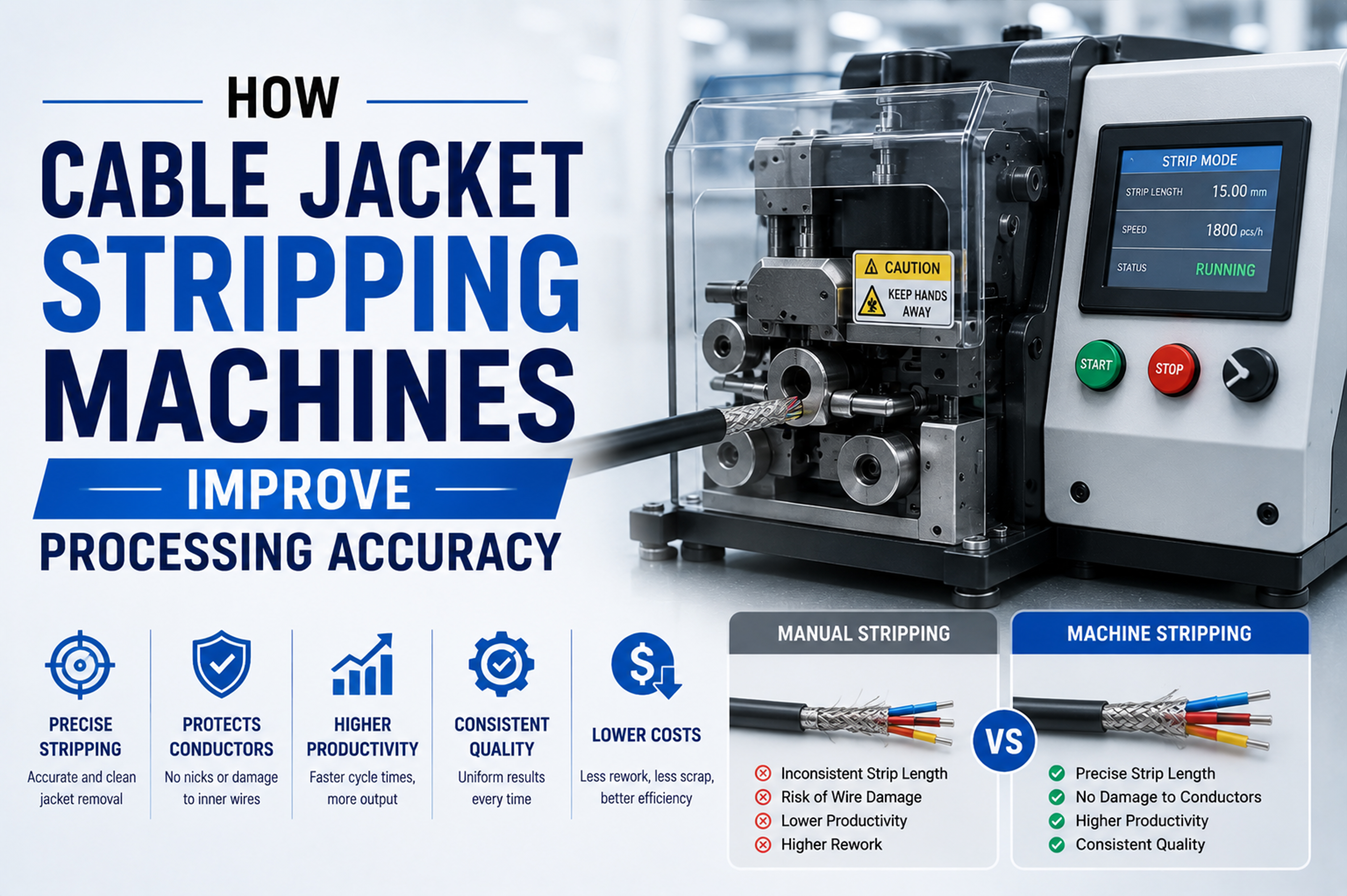
Removing a cable's outer jacket cleanly, without damaging the layers beneath, is a foundational step in cable preparation — and one where small errors compound into significant downstream problems. Ca...
Read More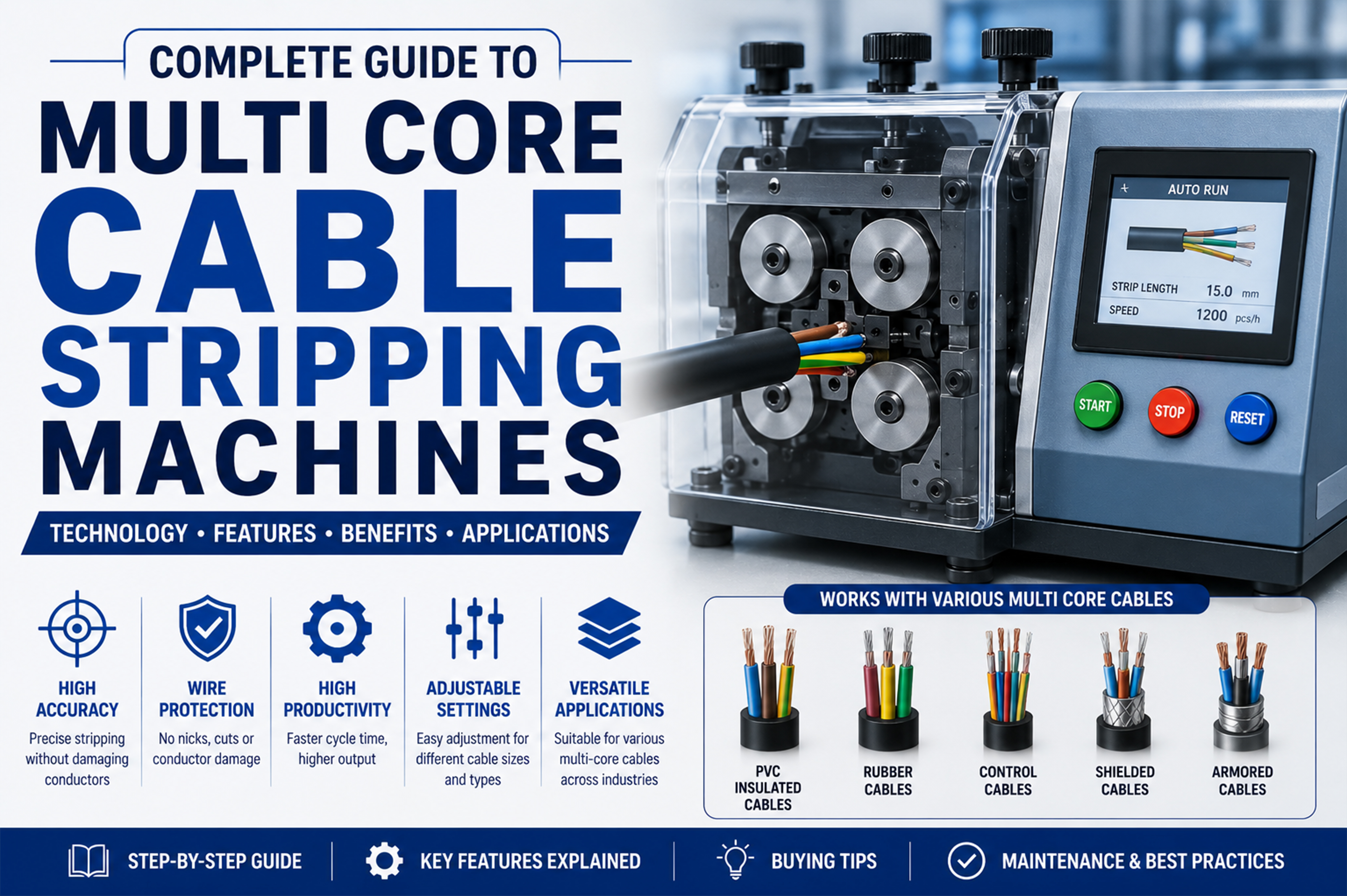
Cables containing several individually insulated conductors within a single jacket present a distinct processing challenge: every core must be stripped to a precise, consistent length without damaging...
Read More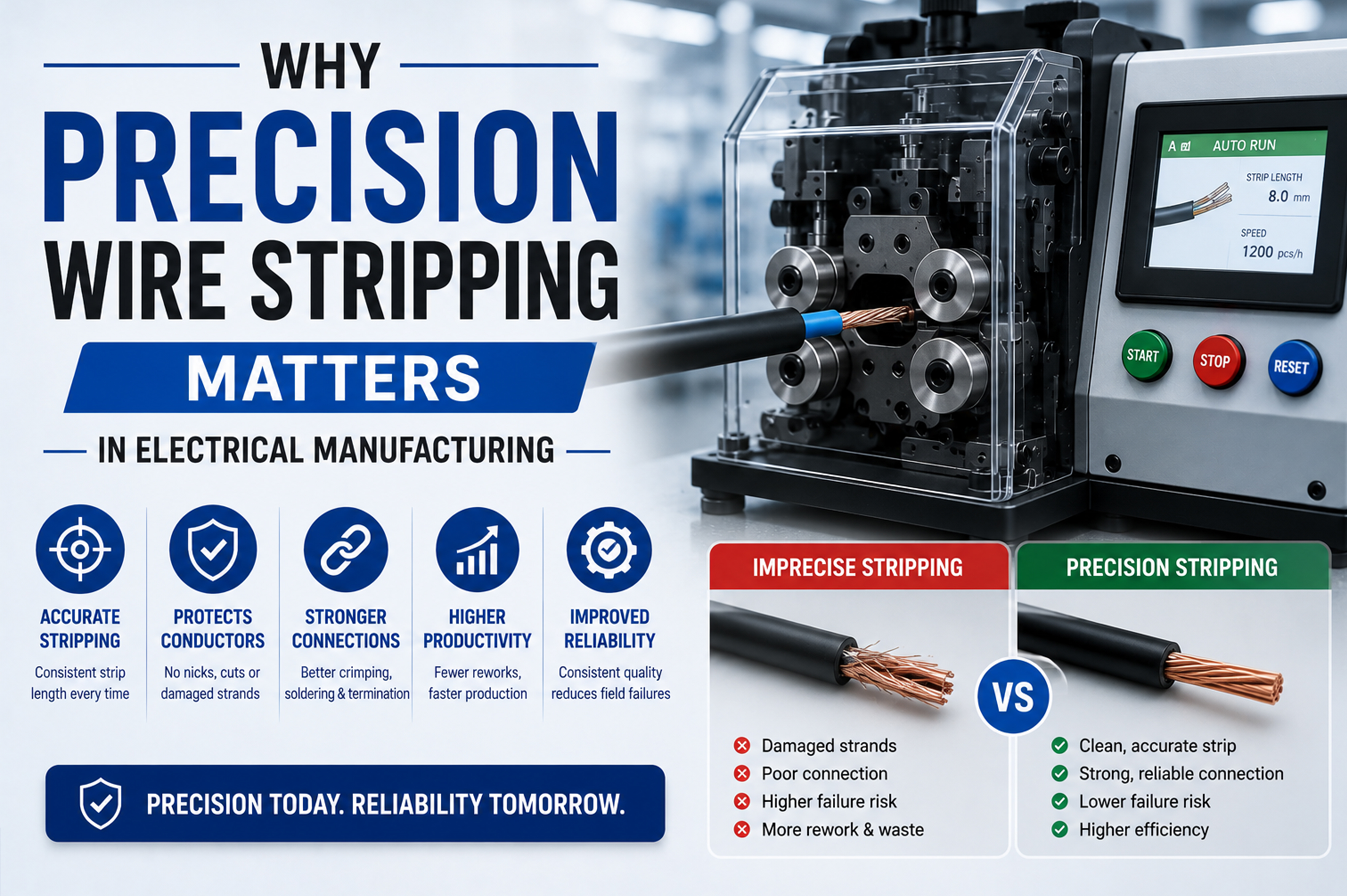
In electrical manufacturing, a single nicked or damaged conductor strand can lead to premature failure, intermittent connectivity, or outright rejection at quality inspection. Precision wire stripping...
Read MoreSign up today Writing copy is time-consuming and difficult. Headlime's artificial intelligence can take your thoughts.