Sttellar Dawang Editorial Team
Posted on 2026-03-23


Posted on 2026-03-23
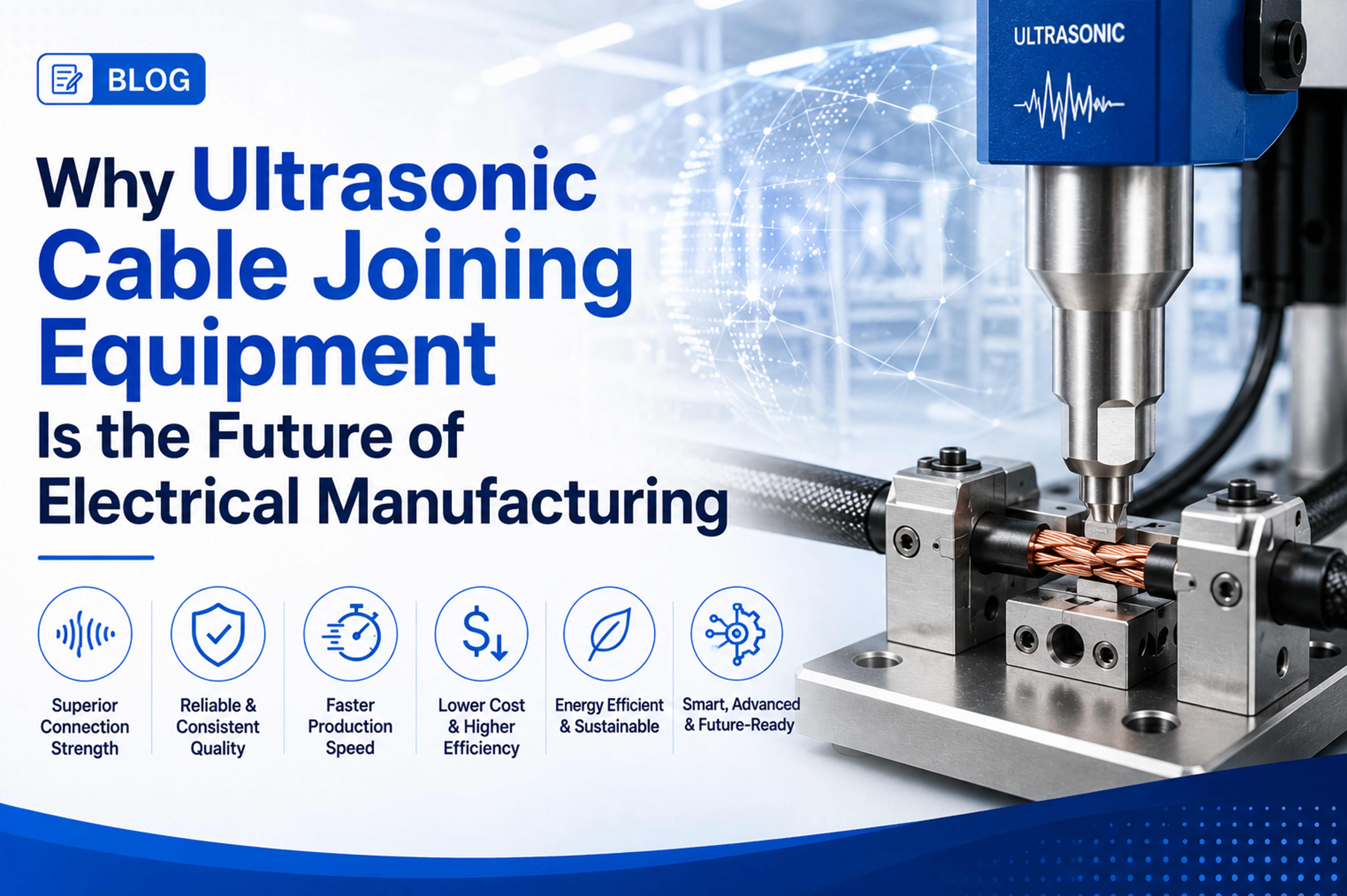
Electrical manufacturing is moving toward higher current loads, lighter weight materials, and stricter reliability requirements — trends that increasingly favour ultrasonic cable joining over traditional soldering and crimping methods. Ultrasonic cable joining equipment offers a combination of strength, efficiency, and material flexibility that positions it as a foundational technology for the next generation of electrical manufacturing.
Sttellar Dawang Automation supplies ultrasonic cable joining equipment built to support manufacturers as they adopt this increasingly central joining technology.
Ultrasonic cable joining equipment uses high-frequency mechanical vibration to create strong, solid-state electrical connections across a wide range of conductor-to-conductor and conductor-to-component applications. It delivers reliable, low-resistance joints without the need for solder, flux, or filler materials.
Ultrasonic cable joining is increasingly adopted across advanced manufacturing industries because it delivers superior joint quality, improved process efficiency, and excellent compatibility with modern conductor materials.
Compared with conventional soldering and crimping, ultrasonic joining provides more reliable electrical performance, improved durability, and greater manufacturing efficiency.
Ultrasonic cable joining equipment is widely used in industries where lightweight construction, high-current capability, and long-term connection reliability are critical.
Sttellar Dawang Automation's ultrasonic cable joining equipment is engineered to deliver precision, durability, and repeatable welding performance for the most demanding electrical manufacturing applications.
Whether manufacturing electric vehicle systems, renewable energy equipment, aerospace assemblies, or industrial automation wiring, Sttellar Dawang Automation's ultrasonic cable joining equipment provides the precision, consistency, and reliability required for advanced wire and cable joining.
Contact Sttellar Dawang Automation today to discuss your ultrasonic cable joining requirements and discover the ideal solution for your modern electrical manufacturing operations.
As electrical manufacturing continues to push toward higher reliability, lighter materials, and more demanding performance requirements, ultrasonic cable joining equipment is well positioned to become the default joining technology across an expanding range of applications. Contact Sttellar Dawang Automation today to discuss your ultrasonic cable joining requirements and explore how their equipment can support your manufacturing future.
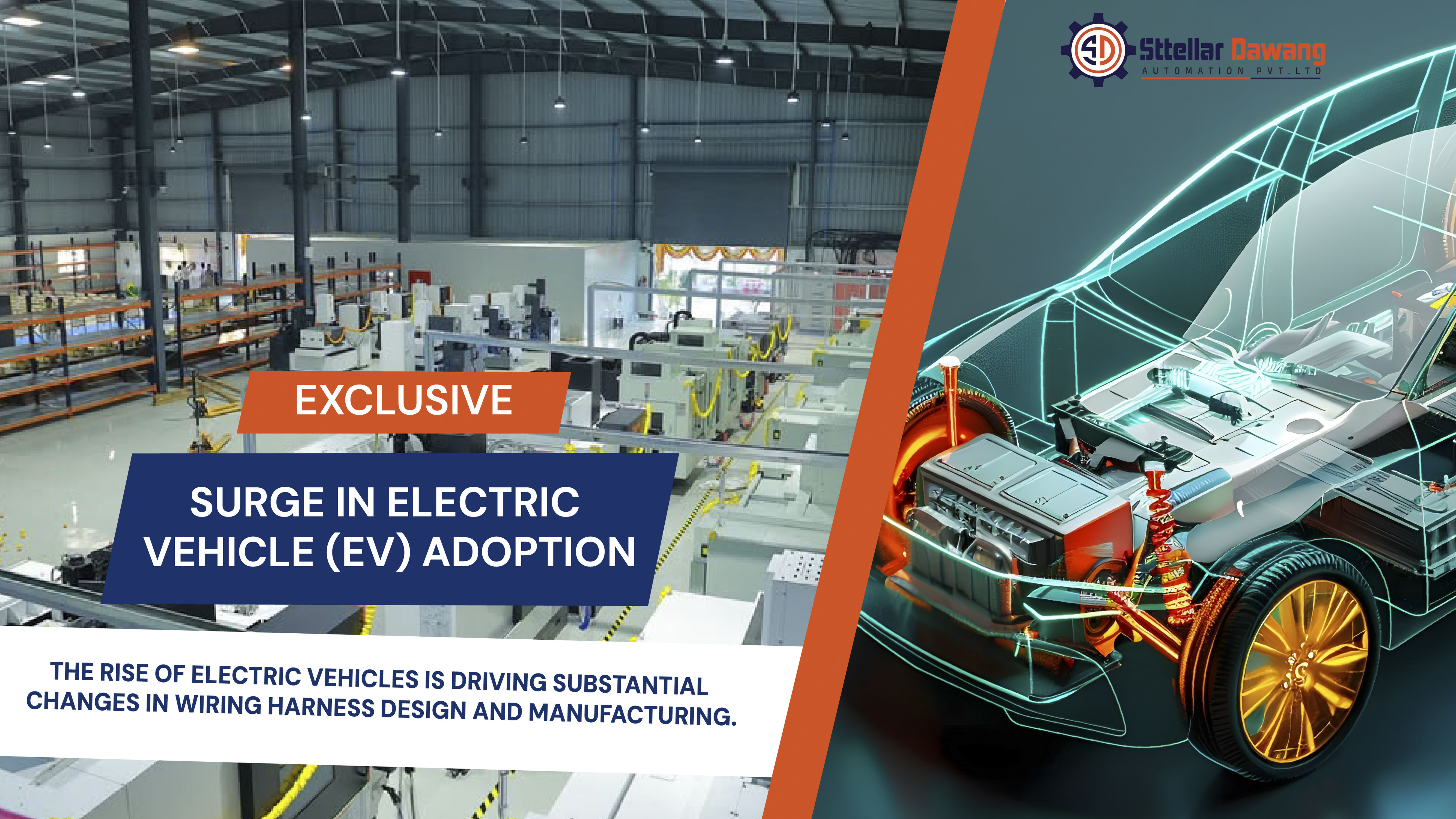
The rise of electric vehicles is driving substantial changes in wiring harness design and manufacturing. EVs require specialized high-voltage wiring systems to manage battery power and integrate with ...
Read More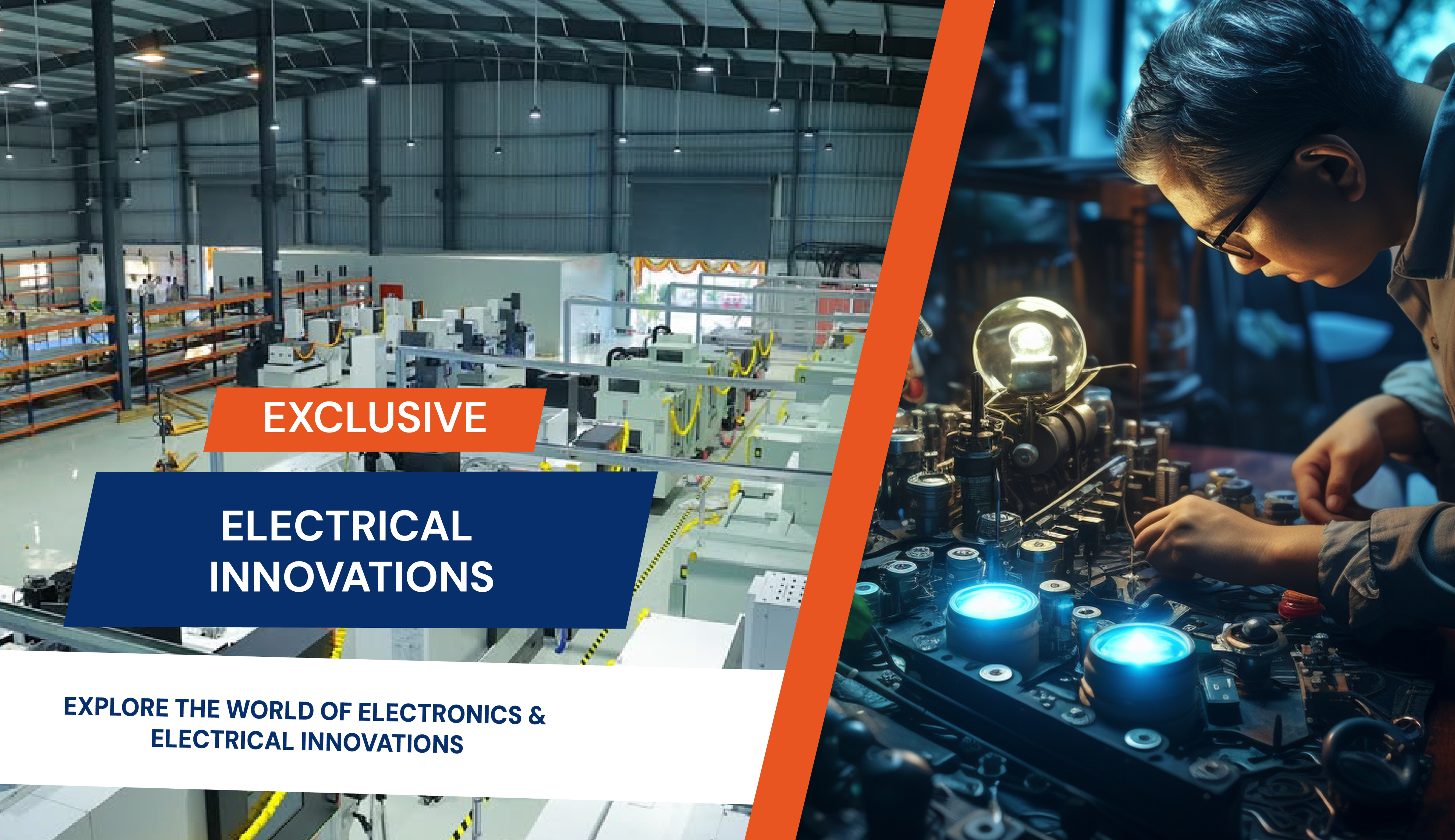
Dive deep into the evolving world of electronics and electrical engineering with industry insights, tutorials, product innovations, expert tips, and real-world projects shaping the future of technolog...
Read More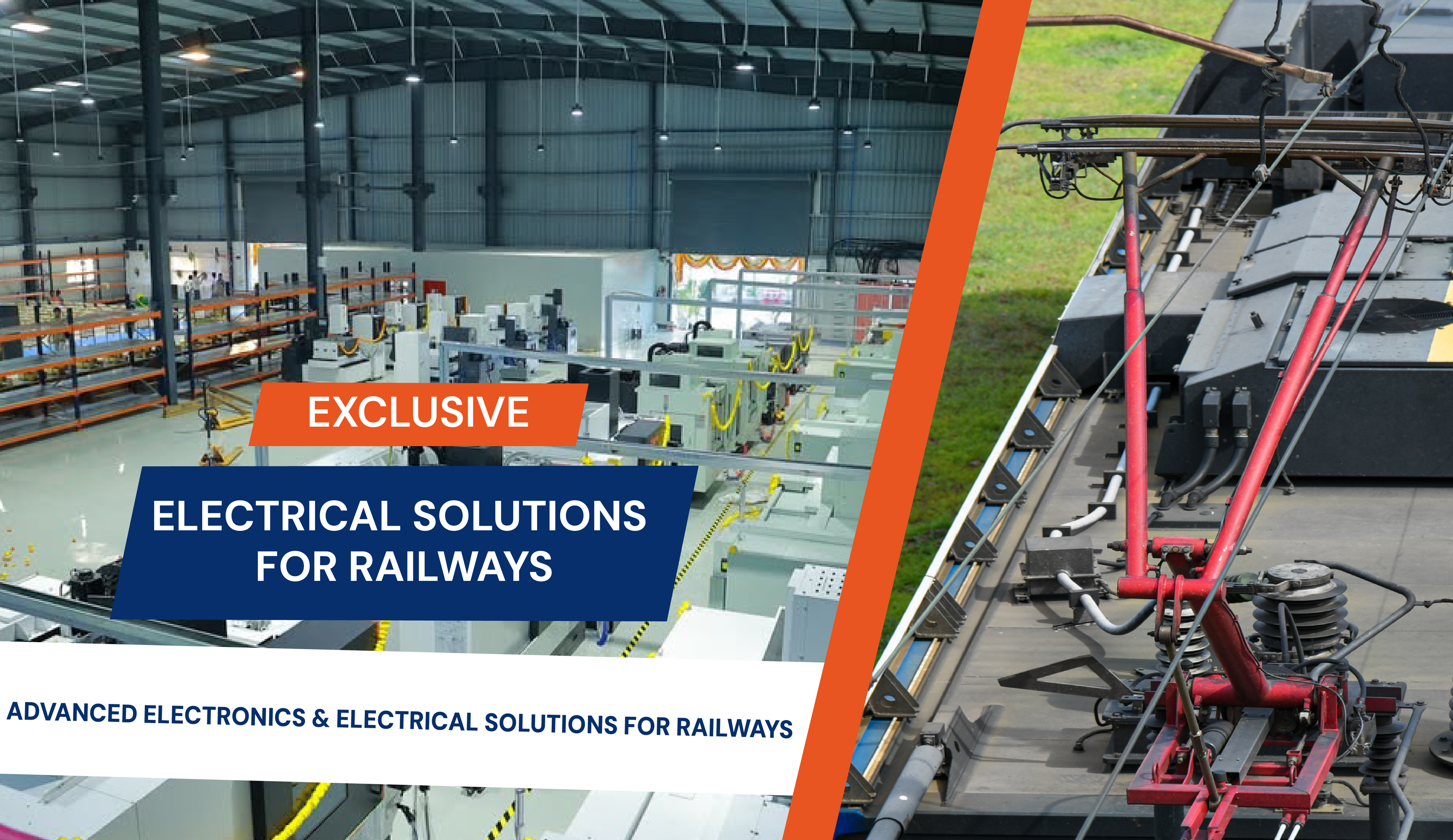
Discover how cutting-edge electronics and electrical innovations are transforming the railway industry with smarter control systems, energy-efficient traction, predictive maintenance, and IoT-enabled ...
Read MoreSign up today Writing copy is time-consuming and difficult. Headlime's artificial intelligence can take your thoughts.