Sttellar Dawang Editorial Team
Posted on 2026-03-23


Posted on 2026-03-23
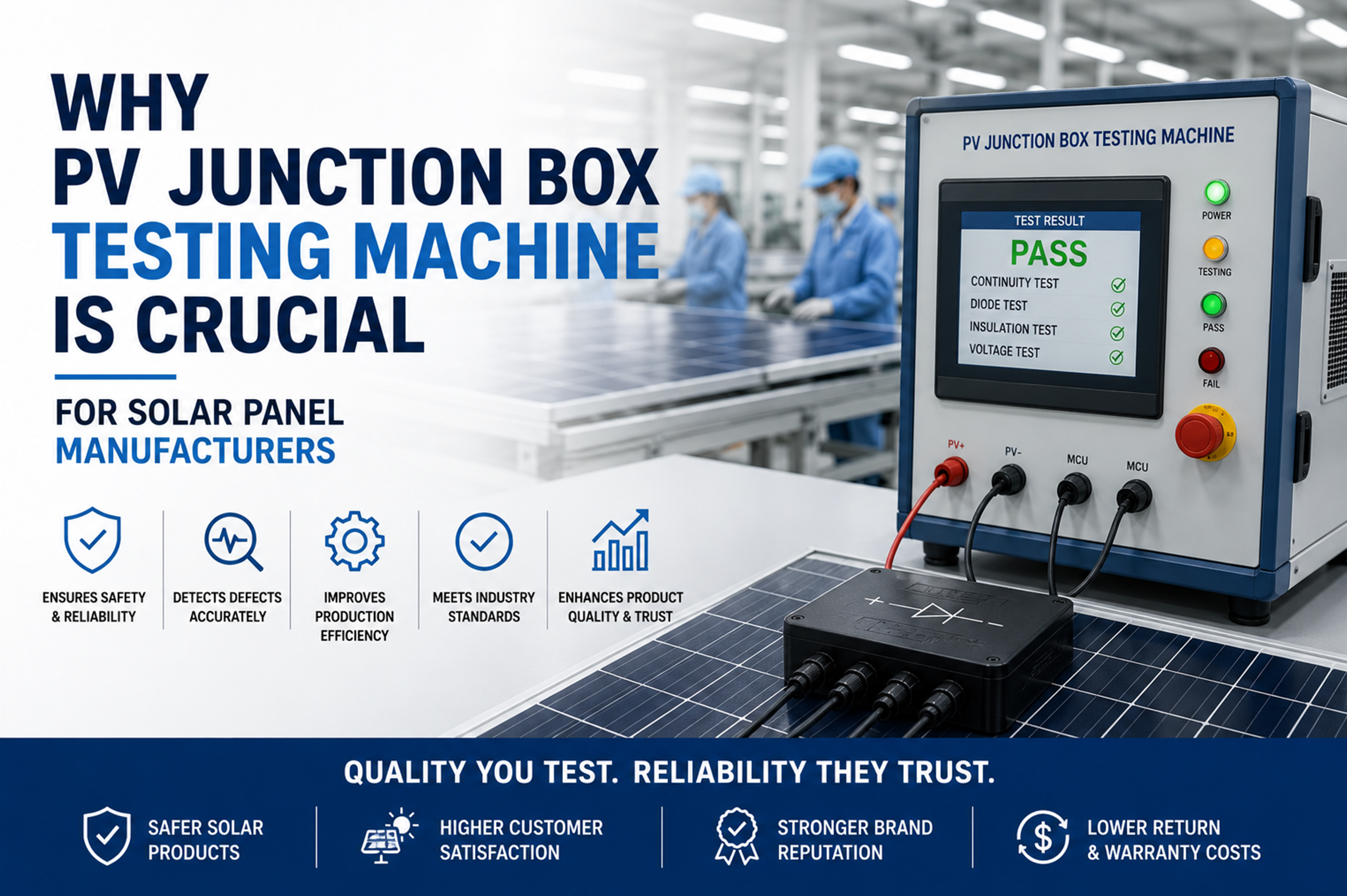
The photovoltaic (PV) junction box is a small component — but its impact on solar module performance, safety, and service life is enormous. As the electrical hub of the solar module, the junction box houses the bypass diodes, provides the cable and connector interface to the installation wiring, and must maintain weatherproof integrity for the module's 25-year or longer service life. Junction box testing is not optional for serious solar manufacturers: it is a quality and safety imperative.
Sttellar Dawang Automation provides comprehensive PV junction box testing equipment designed to meet the quality demands of leading solar panel manufacturers worldwide.
Photovoltaic junction boxes are critical components that protect electrical connections and ensure safe current flow within solar modules. Understanding common failure modes highlights the importance of thorough testing and quality control.
Junction box defects can create significant operational, financial, and safety risks throughout the lifespan of a solar module.
Sttellar Dawang Automation's PV junction box testing equipment provides comprehensive inspection and validation of electrical, mechanical, and insulation performance.
For modern photovoltaic manufacturing operations, junction box testing must integrate seamlessly with production workflows while providing complete traceability and quality visibility.
IEC 61215 and IEC 61730 are the primary international standards governing photovoltaic module performance and safety. Junction box quality, including bypass diode functionality and insulation integrity, plays a critical role in meeting these certification requirements.
In an industry where solar modules are expected to operate reliably for 25 years or more, robust PV junction box testing is a critical investment in safety, quality, regulatory compliance, and brand reputation.
Contact Sttellar Dawang Automation today to discuss your PV junction box testing requirements and discover how their advanced testing solutions can strengthen your solar manufacturing quality programme.
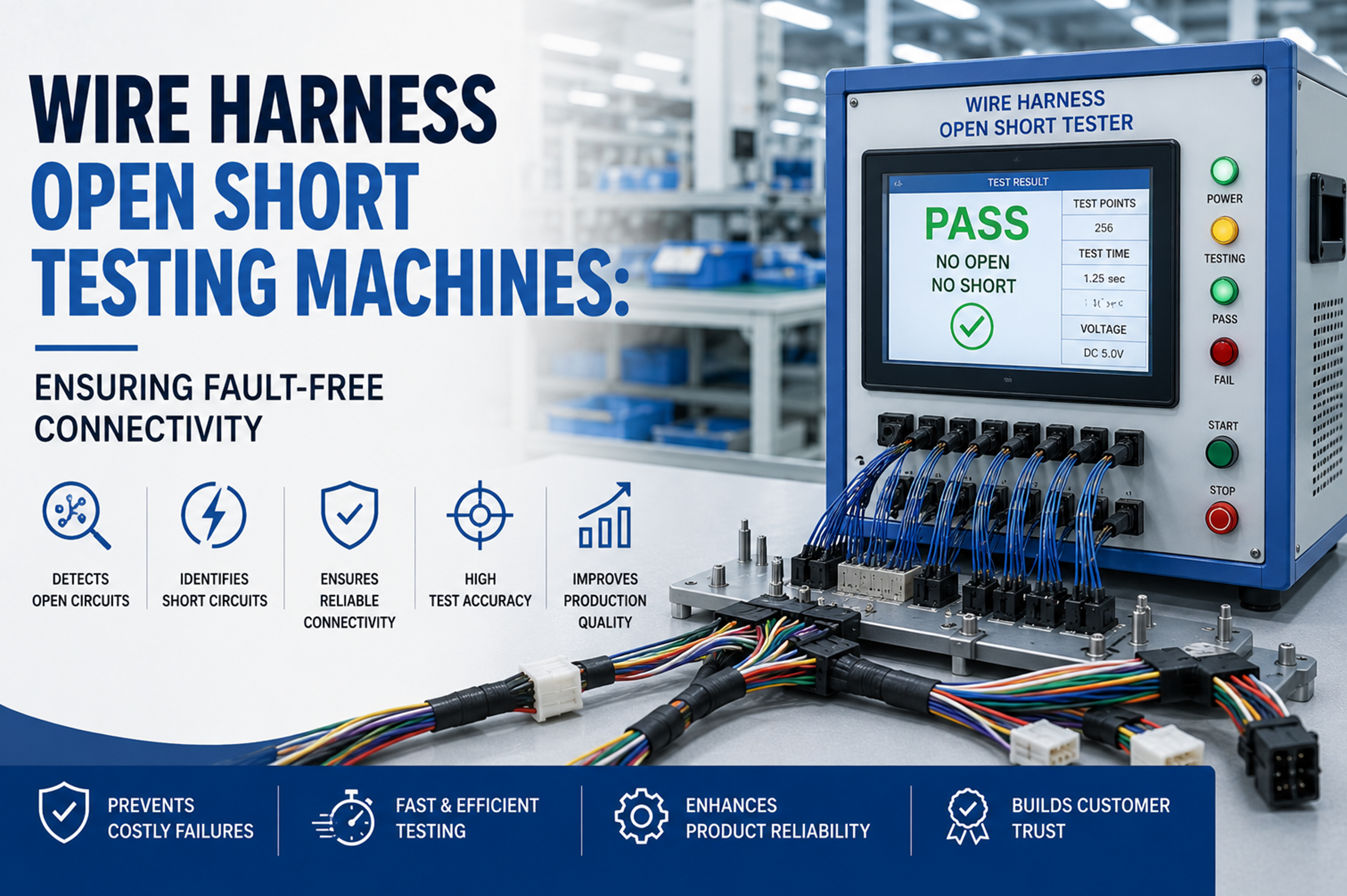
A wire harness is only as reliable as its worst connection. In complex harnesses carrying dozens or hundreds of individual circuits, a single open circuit or unintended short can disable critical syst...
Read More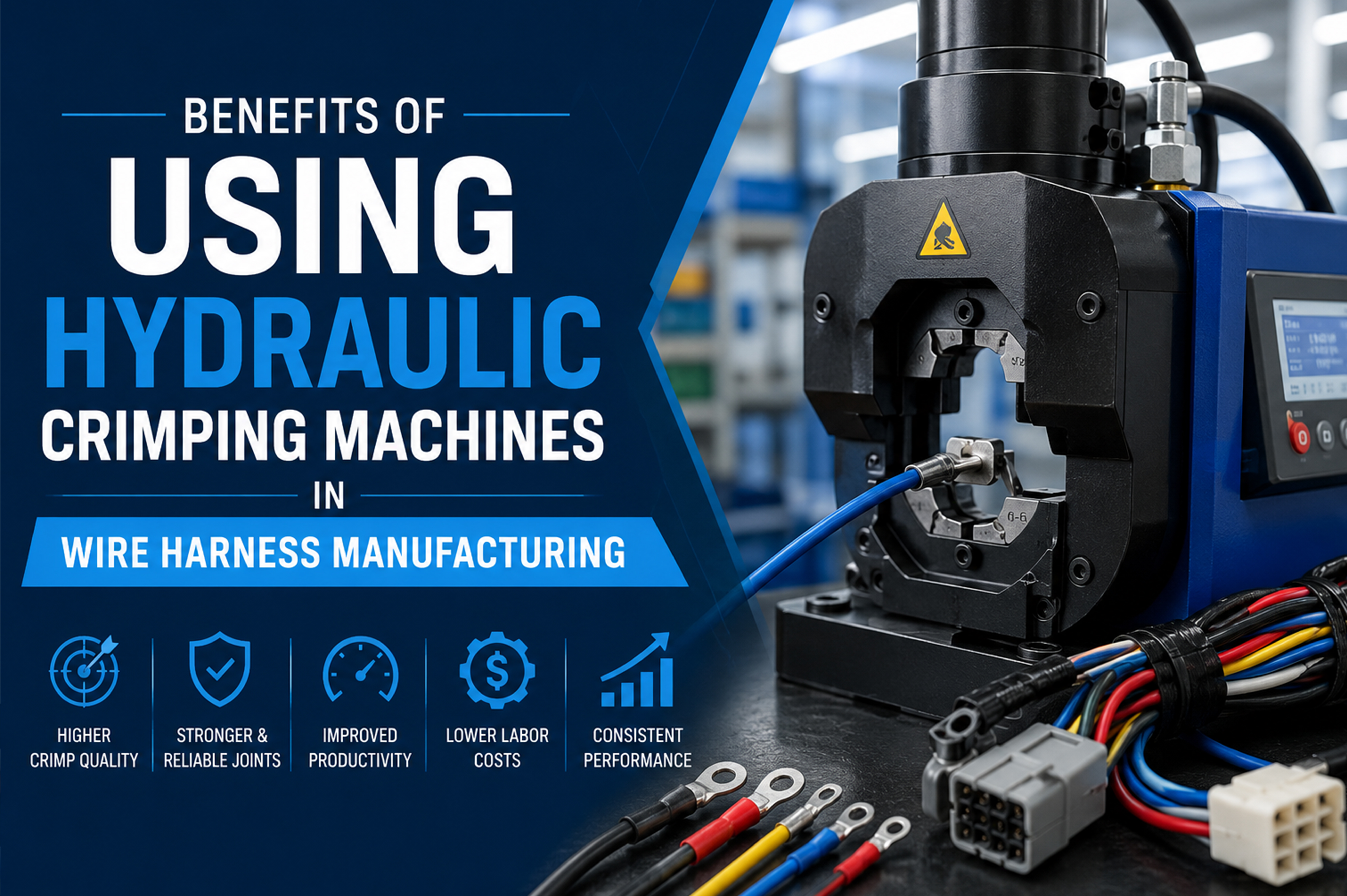
Wire harness manufacturing depends on terminations that can withstand mechanical stress, current load, and years of service without failure. For large-gauge cables, lugs, and heavy-duty connectors, hy...
Read More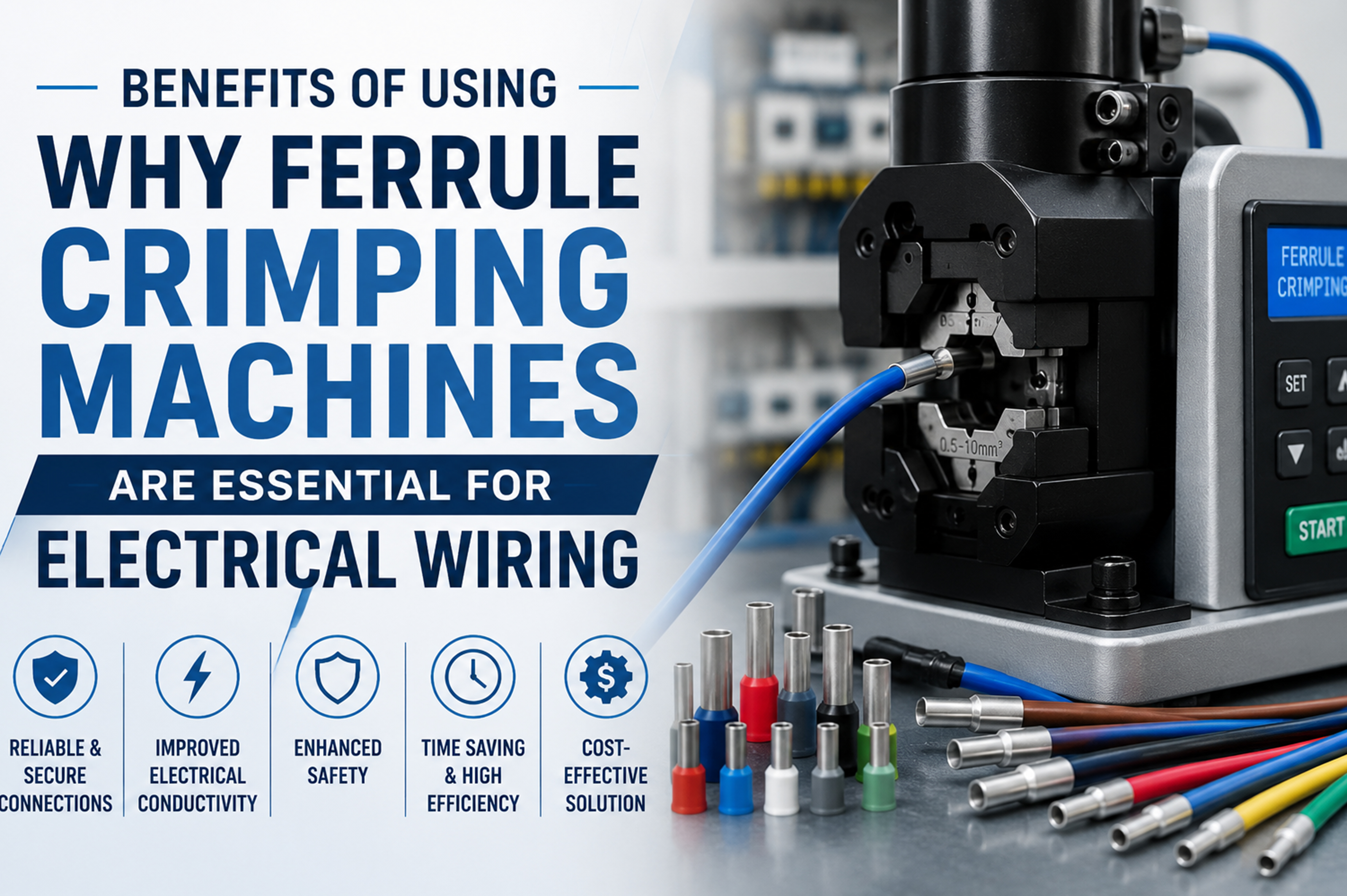
Ferrules play a small but critical role in electrical wiring: protecting stranded wire ends, ensuring secure terminal block connections, and preventing strand fraying that can cause intermittent fault...
Read MoreSign up today Writing copy is time-consuming and difficult. Headlime's artificial intelligence can take your thoughts.