Sttellar Dawang Editorial Team
Posted on 2026-08-10


Posted on 2026-08-10
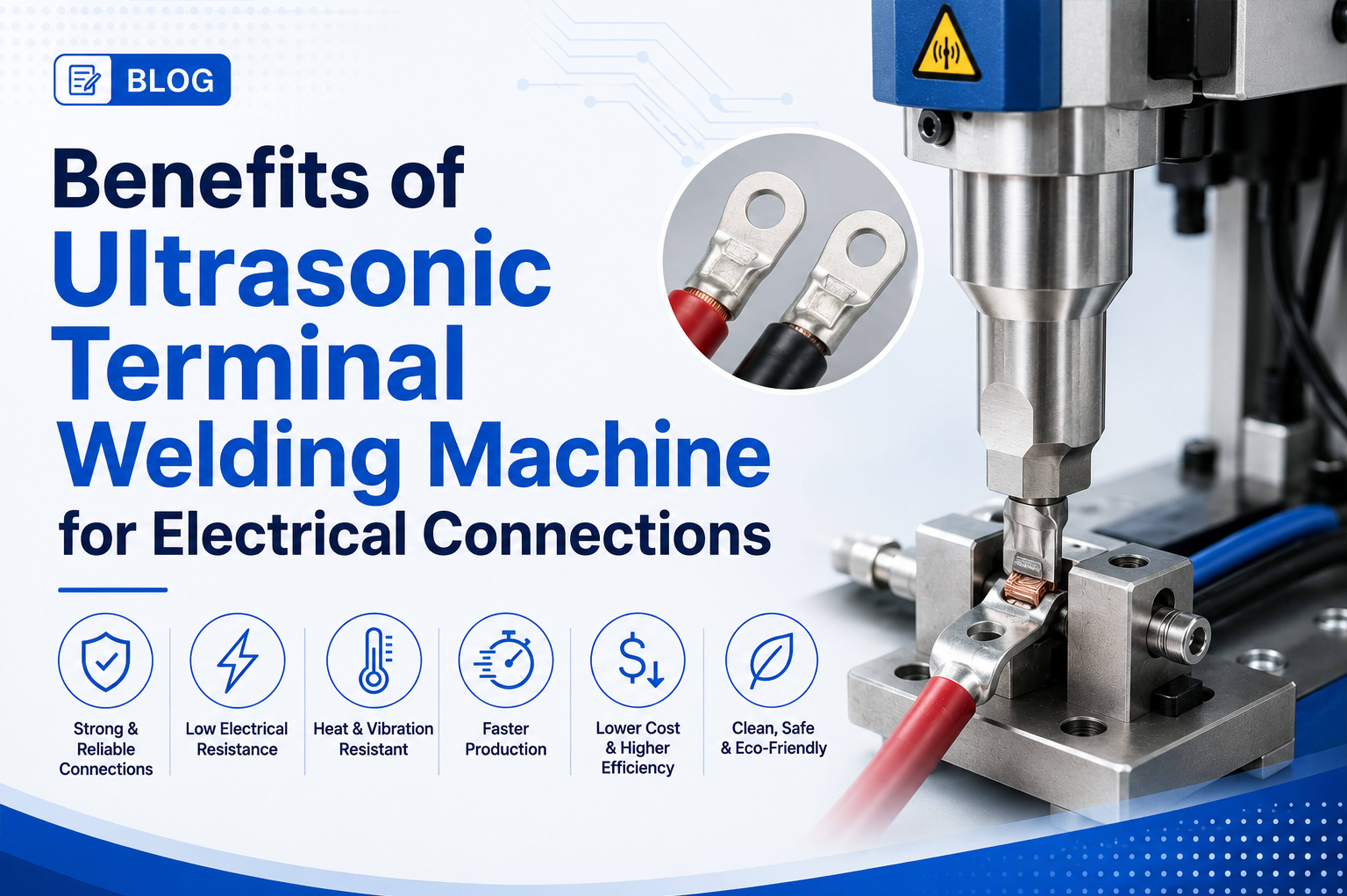
Automotive wire harnesses must withstand vibration, thermal cycling, and years of service without failure, all while being produced at high volume and tight cost targets. Ultrasonic wire harness welding has become a preferred joining method for meeting these demands, delivering strong, low-resistance, solder-free connections across increasingly complex harness designs.
Sttellar Dawang Automation supplies ultrasonic welding equipment engineered specifically for the reliability and throughput demands of automotive harness manufacturing.
Ultrasonic welding addresses several persistent challenges in automotive wiring:
Modern vehicles carry more electrical circuits than ever, placing new demands on joining technology:
Ultrasonic welding also supports the quality systems automotive manufacturing demands:
This technology supports a growing range of automotive applications, including:
Sttellar Dawang Automation's ultrasonic wire harness welding machines are engineered to meet automotive-grade reliability standards. Features include:
As automotive harnesses grow more complex and reliability expectations continue to rise, ultrasonic welding gives manufacturers a dependable path to strong, solder-free connections. Contact Sttellar Dawang Automation today to discuss your automotive harness welding requirements and explore the right ultrasonic welding solution for your production line.
Automotive harness welding requires zero-failure reliability. Ultrasonic joining provides the corrosion resistance, low electrical resistance, and process logging required by tier-1 automotive suppliers.
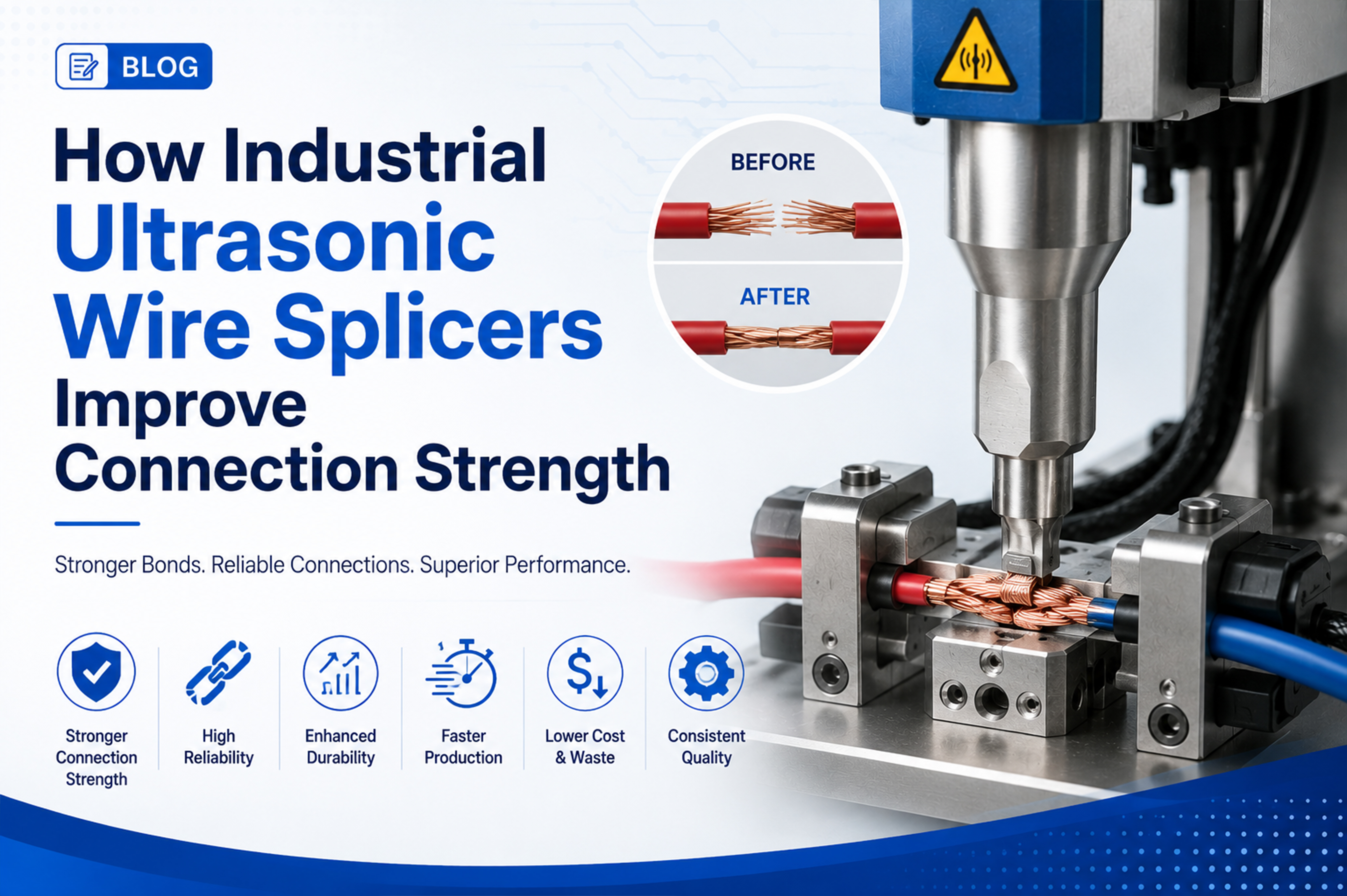
Electrical performance in any wire assembly depends heavily on the quality of its joints. Poorly formed connections introduce resistance, generate heat, and degrade over time under vibration and therm...
Read More
Corrugated conduit protects wire harnesses and cable bundles from abrasion, moisture, and mechanical stress across automotive, industrial, and appliance applications. Cutting this ribbed, flexible mat...
Read More
Coaxial cable presents a unique stripping challenge: multiple concentric layers, including the outer jacket, shield braid, dielectric insulation, and centre conductor, must each be stripped to a preci...
Read MoreSign up today Writing copy is time-consuming and difficult. Headlime's artificial intelligence can take your thoughts.