Sttellar Dawang Editorial Team
Posted on 2026-03-23

Posted on 2026-03-23
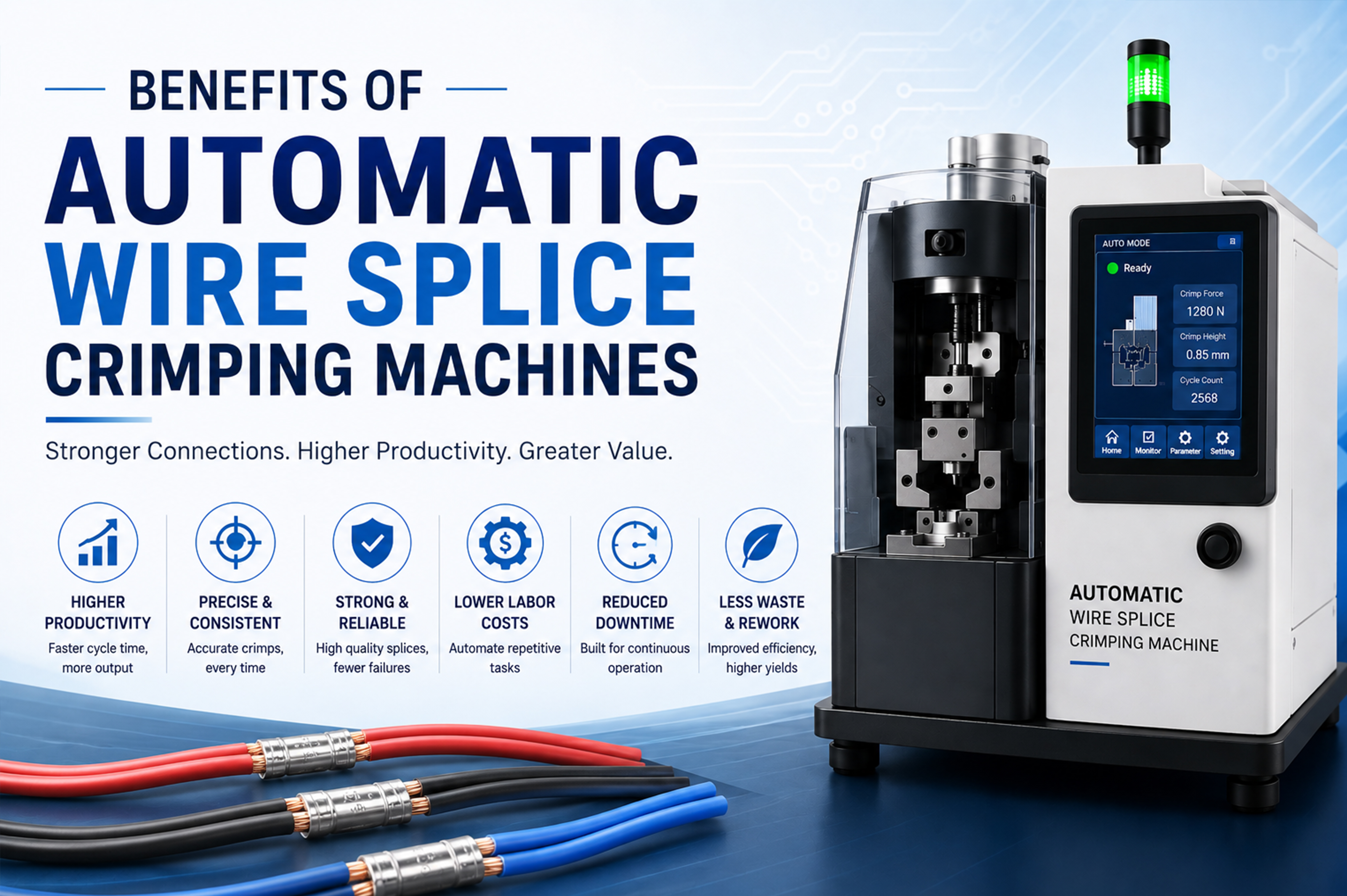
Joining multiple conductors into a single secure connection is a routine but quality-critical step in wire harness manufacturing. Automatic wire splice crimping machines have transformed this process, replacing manual twisting, soldering, or hand-crimping with a fast, consistent, and fully automated splicing operation.
Sttellar Dawang Automation supplies automatic wire splice crimping machines designed to bring reliability and speed to this essential harness assembly step.
An automatic wire splice crimping machine joins two or more conductors using a splice terminal to create a strong mechanical and reliable electrical connection. By automating the crimping process, these machines deliver consistent splice quality, higher productivity, and dependable performance for modern wire harness manufacturing.
Replacing manual wire splicing techniques with automated crimping machines improves production efficiency while ensuring repeatable, high-quality splice connections.
Automated splice crimping delivers consistent electrical and mechanical performance while simplifying quality control and supporting compliance with industry standards.
Automatic wire splice crimping machines are widely used in industries requiring durable, high-quality electrical connections across complex wiring assemblies.
Sttellar Dawang Automation's automatic wire splice crimping machines are engineered for precision, reliability, and continuous high-volume production, ensuring consistent splice quality across a wide range of wire harness applications.
Whether manufacturing automotive harnesses, industrial control systems, appliances, or lighting assemblies, Sttellar Dawang Automation's automatic wire splice crimping machines provide the precision, consistency, and efficiency required for reliable electrical connections.
Contact Sttellar Dawang Automation today to discuss your wire splice crimping requirements and discover the ideal automated splicing solution for your production environment.
Automatic wire splice crimping machines remove one of the most variable and labour-intensive steps in harness assembly, replacing it with a fast, consistent, and fully traceable process. For manufacturers seeking to reduce rework and improve throughput, automated splicing is a clear step forward. Contact Sttellar Dawang Automation today to discuss your wire splicing requirements and explore the right automatic crimping solution for your production line.
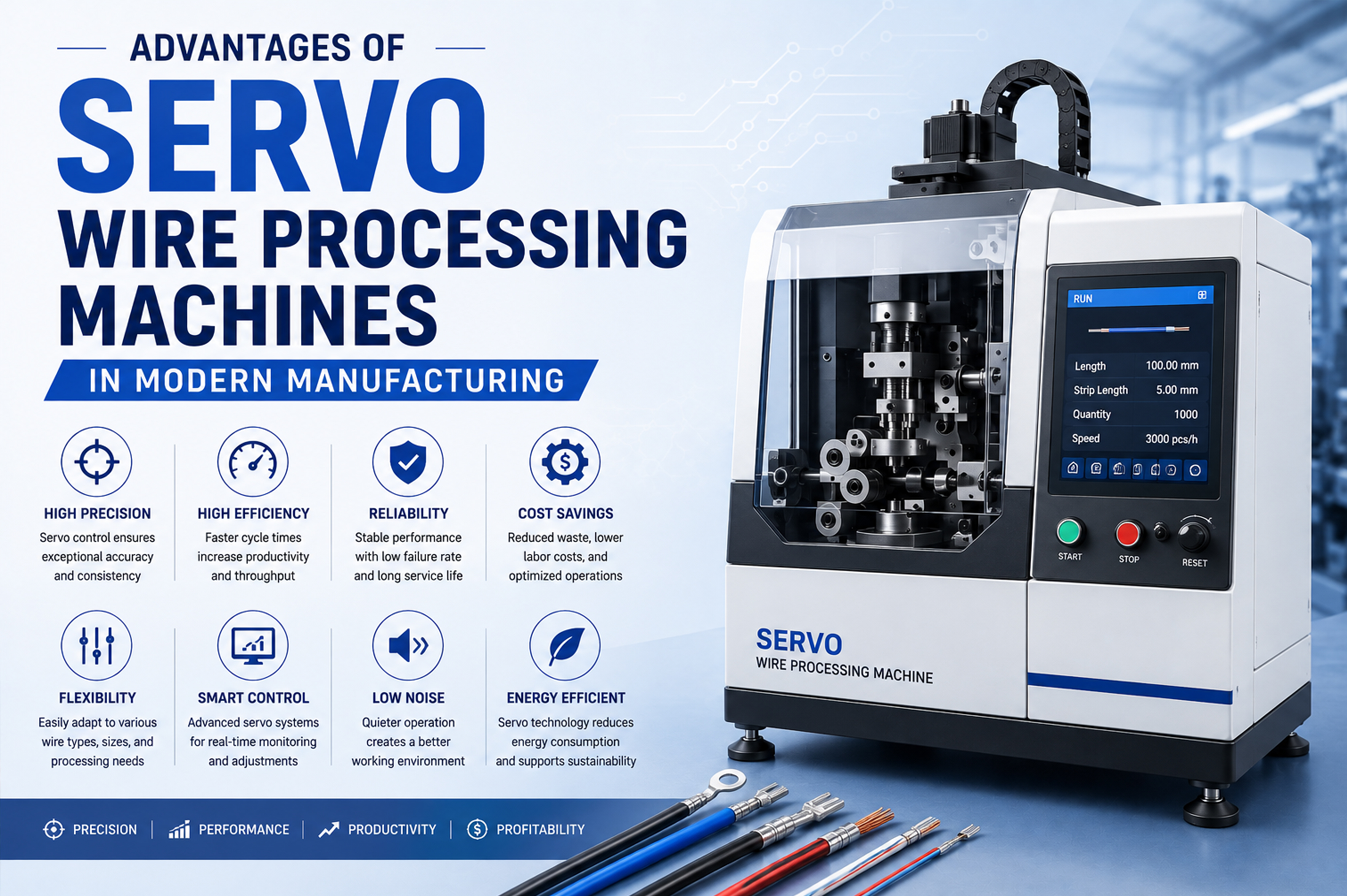
Modern wire processing demands a level of precision and repeatability that purely mechanical or pneumatic systems struggle to deliver consistently at scale. Servo wire processing machines address this...
Read More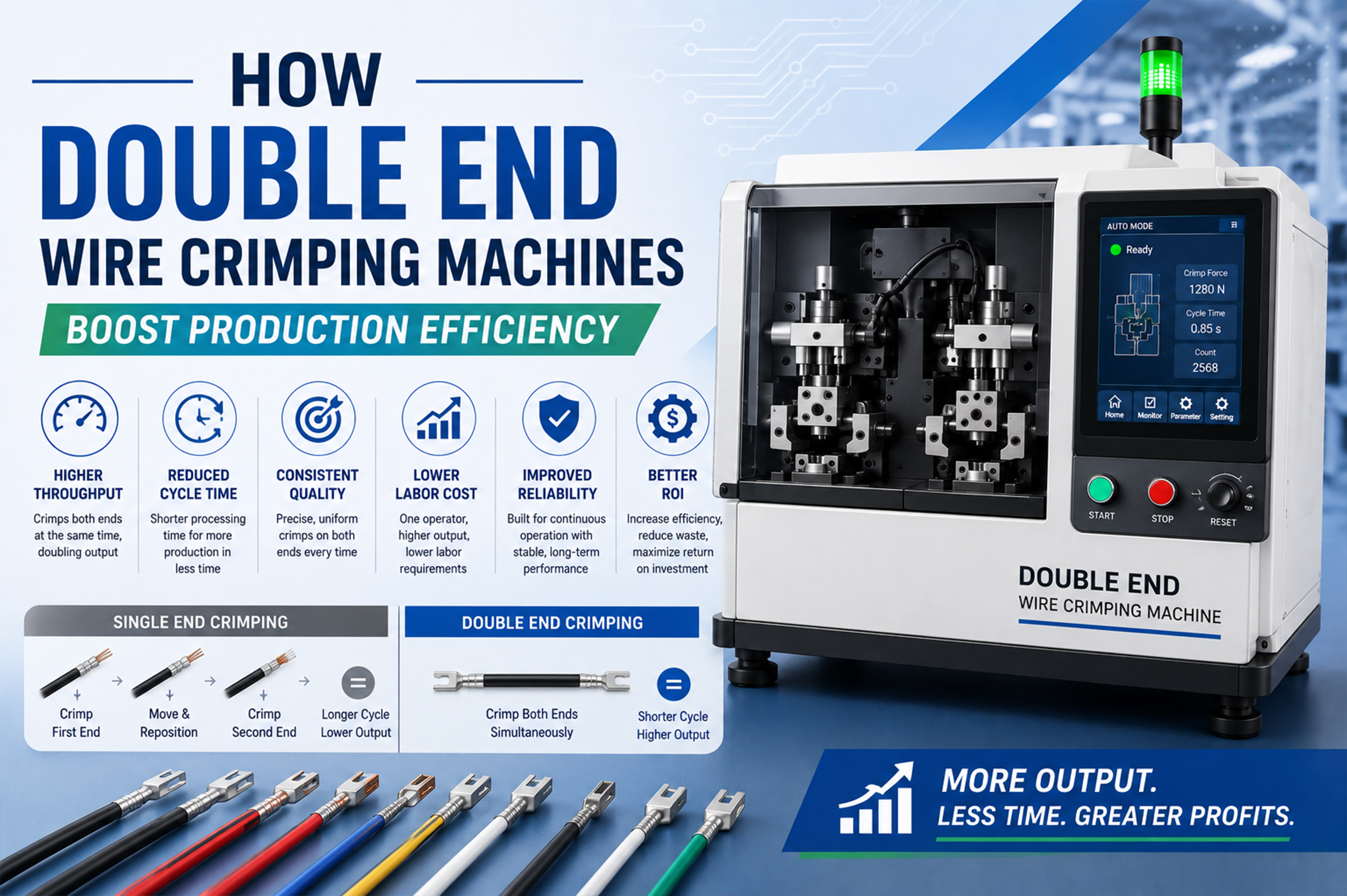
Terminating both ends of a wire is one of the most repetitive operations in lead and jumper wire production, and processing each end as a separate step adds unnecessary handling time and opportunity f...
Read More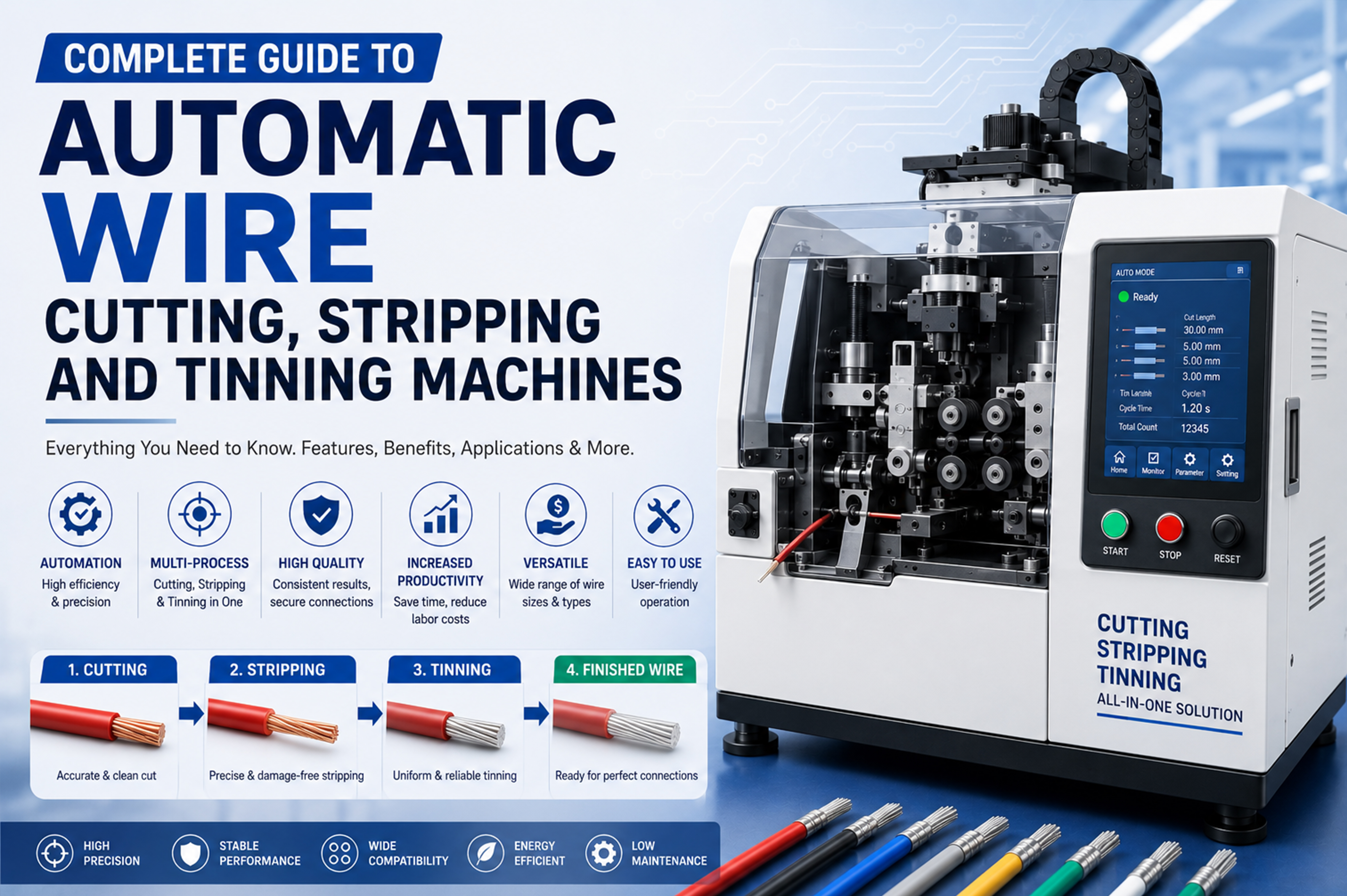
Preparing wire ends for termination traditionally involves several separate steps — cutting, stripping, and, where required, tinning — each introducing handling time and opportunity for inconsistency....
Read MoreSign up today Writing copy is time-consuming and difficult. Headlime's artificial intelligence can take your thoughts.